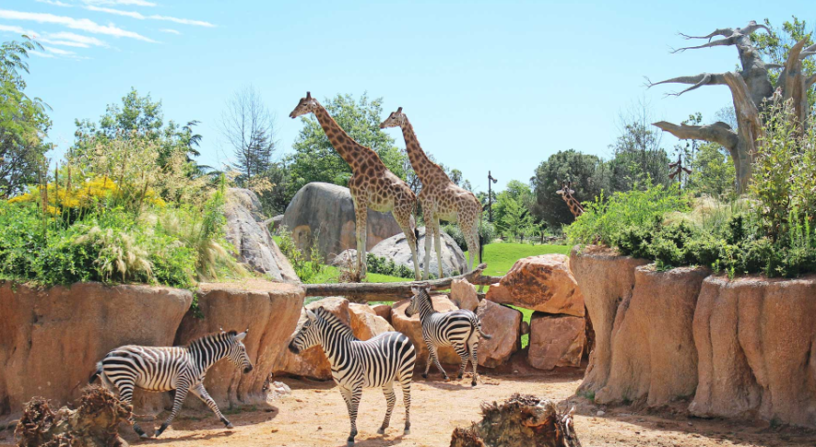
A blog post about the paper ‘Misperceptions of charismatic species’ conservation status: Zoo visits and virtual exposure shape perceptions of extinction risk‘ by Andrea Rizzardi Orlandi, Valentina Fulvia Isaja, Roberto Ambrosini, Ivan Jaric, and Alessandra Costanzo.
What was the inspiration for this article?
The inspiration for this research came from Courchamp et al.’s (2018) paper on the paradoxical extinction of the most charismatic animals, which introduced the idea of the Virtual Population Bias. We were fascinated by the possibility that people’s perceptions of wildlife might be shaped by the animals they encounter through digital media rather than through nature itself. Although this hypothesis had generated considerable discussion, it had received little direct empirical testing. As someone working at the intersection of conservation psychology and zoo research, I saw an opportunity to investigate whether virtual exposure influences how people perceive species’ extinction risk, and whether real-life encounters in zoos can modify those perceptions.
How does your article inform future research?
Our findings highlight the importance of understanding the psychological processes that shape public perceptions of biodiversity. Future research should explore why some species are consistently perceived as more or less threatened than they actually are, how different forms of media influence these judgements, and how conservation organisations, zoos and educators can communicate extinction risk more effectively. Ultimately, improving public understanding of species’ conservation status may help create more informed support for conservation.
Why did you choose People and Nature for your research?
This study sits at the intersection of conservation science, zoo biology and psychology. People and Nature provides an ideal interdisciplinary platform for research that seeks to understand the relationships between people and biodiversity, making it the perfect journal for this work.
Read the full article to learn more about how digital and real-world wildlife experiences shape perceptions of biodiversity
Find the plain language summary here

