By Andrea Rizzardi Orlandi, Valentina Fulvia Isaja, Roberto Ambrosini, Ivan Jaric, and Alessandra Costanzo
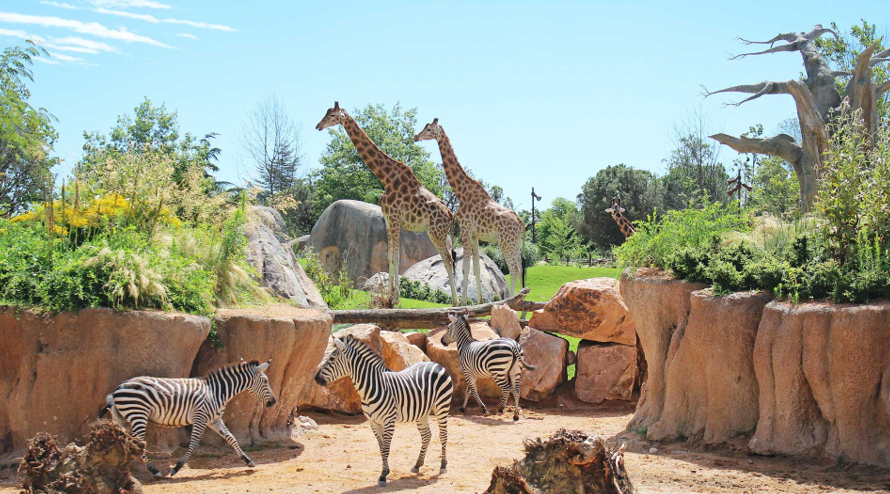
Image credit: Photo provided by Zoom Torino.
Many of us encounter wild animals every day without realising it. Lions, tigers, penguins, giraffes, and more, appear in films, cartoons, social media, and advertisements. Some researchers have suggested that this constant exposure might make people think these animals are common and therefore less at risk of extinction.
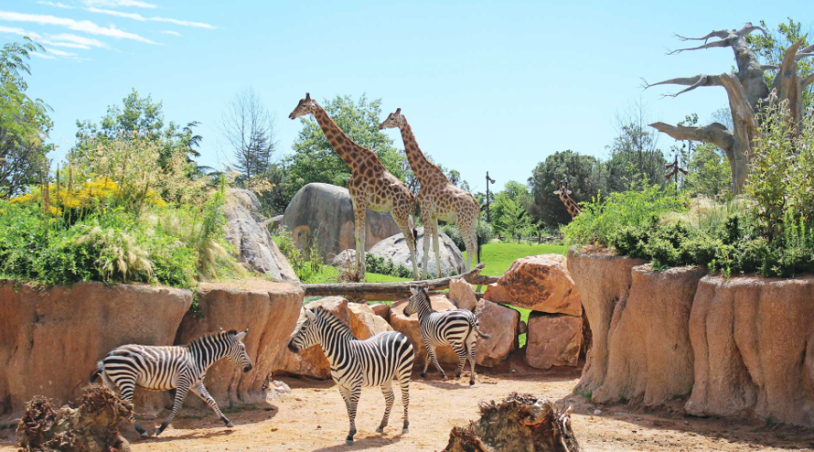
We wanted to test this idea by studying how people judge the extinction risk of well-known animal species. We surveyed 1,643 visitors to Zoom Torino, an immersive zoo in Italy. Some visitors completed the questionnaire before entering the zoo, while others completed it after their visit. We asked them how endangered they thought different animal species were and collected the information about their previous experiences with zoos, conservation donations, and exposure to animals through media such as films, documentaries, books, social media, and advertising.
To identify the species included in the survey, we first analysed more than 10,000 photographs shared online by visitors across 11 Italian zoos. We focused on the animals that appeared most frequently in these images, as these are likely to be among the species that attract the greatest public attention.
Our findings did not support the idea that greater media exposure makes people think species are less endangered. Instead, people who reported greater exposure to animals through media were more likely to perceived them as being at risk of extinction. This pattern was especially strong among visitors surveyed after their zoo visit. Overall, participants tended to overestimate how threatened these species actually are.
These results suggest that media exposure and zoo visits do not simply shape how often people see animals, they may also influence how people think and feel about conservation. For zoos, this highlights the importance of helping visitors understand not only that wildlife is under threat, but also the actual level of risk faced by different species. More broadly, our study shows that public perceptions of extinction risk are shaped by a complex combination of virtual experiences, real-world encounters, and conservation messages.

