By Oriol Garcia-Antúnez, Christopher M. Raymond, Thomas Beery & Anton Stahl Olafsson
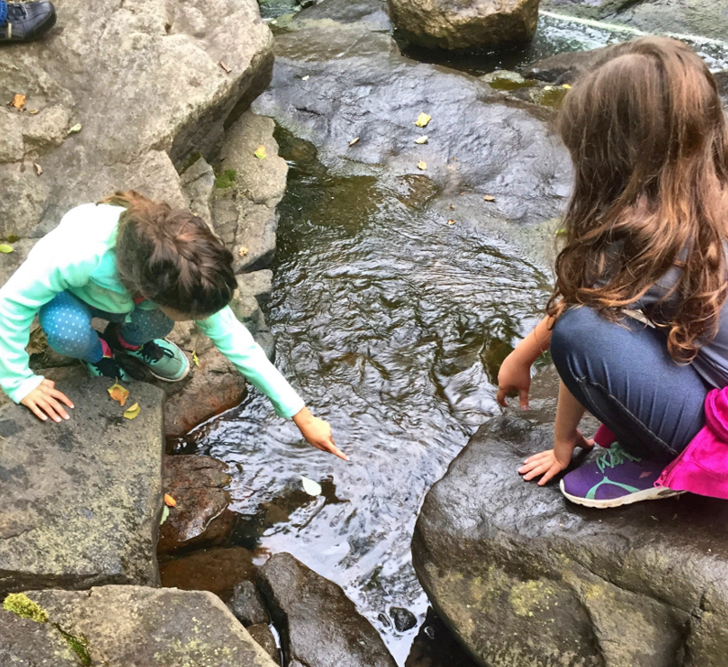
Research in environmental psychology, conservation biology, and human-nature relationships has long warned of the decline in contact with nature among younger generations, and how more and more we are becoming a society less attuned and connected to other species and our surroundings. Evidence also suggests this might carry long-lasting consequences, not only for children’s well-being into adulthood, but for the natural world itself. By ignoring or alienating ourselves from other species, we risk losing the will to protect them. We only protect what we have first come to know and love.
In this study, we asked a simple but powerful question: do the nature experiences we have as children shape how much we value and support biodiversity as adults? To answer this, we surveyed residents of the Copenhagen metropolitan area, Denmark, asking them how frequently and diversely they had interacted with nature as children, what values they hold toward biodiversity today, and how they feel about restoring nature to the familiar places around them.
Our results tell a compelling story. People who had experienced nature more frequently and in more diverse ways during childhood grew up to care more about nature and other species for their own sake, not just for human benefit. Those who could recall more than 15 distinct types of childhood nature experiences scored notably higher on these values, and those with the richest and most varied nature childhoods were also more likely to actively support the restoration of nature in their familiar landscapes.
But perhaps the most striking finding was that this influence was not direct. It worked largely through the values people had developed along the way. Growing up immersed in nature seems to plant the seeds of deeper values, and it is those values that, years later, blossom into a willingness to protect and restore the natural world.
These findings could not come at a more critical time. As cities grow and natural spaces shrink, our results make a compelling case for placing nature experience at the heart of urban planning: not as a luxury, but as an investment in the environmental stewards of tomorrow. At the same time, we must acknowledge that access to nature is not equal. If we are serious about reversing the tide of human-nature disconnection, the sociocultural barriers that prevent many children from ever engaging with nature are ones we must urgently work to dismantle.

