By Chase A. Niesner and Alejandra Echeverri
This Plain Language Summary is published in advance of the paper discussed. Please check back soon for a link to the full paper.
When we aim to conserve biocultural diversity, we are inevitably navigating the powerful feelings people hold towards the species that matter to them. In our new research, we explore how traditional conservation usually focuses on protecting ecologically vital species and sometimes the local or Indigenous cultures that have come to rely on them for their continuance. While these approaches are invaluable, they often fall short in modern, complex settings where many different interest groups—such as ranchers, local residents, industrialists, and the conservationists themselves—hold intense, and often conflicting, emotional attachments to the exact same species.
To address this gap, we introduce a new concept called the “Species of Passionate Interest.” Rather than measuring a species solely by its ecological utility or cultural appeal, we look to where strong, publicly expressed emotions, whether reverence, love, pride, grief, fear, disgust or anger, concentrate around a given species. By tracking these intense feelings, conservationists can pinpoint where human relationships are entangled in a dense web of meaningful relations, seek to understand why different groups interpret the same species differently, and approach environmental conflicts with an eye towards repair.
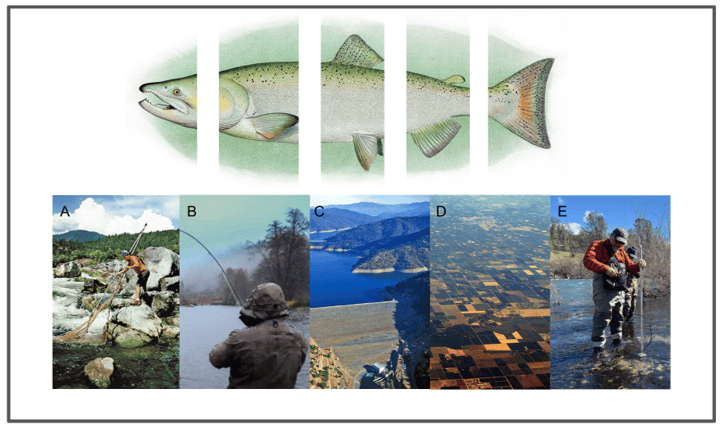
We take inspiration from the intellectual history of the Cultural Keystone Species concept for our research, and expand this work to examine diverse examples of Species of Passionate Interest, from the Gray Wolf and Chinook Salmon, to Oil Palm and the common mosquito, demonstrating how collective emotion directly shapes the fate of species and cultures simultaneously. Ultimately, our work suggests conserving biocultural diversity and transforming social relations must go hand in hand. By attuning to the feelings surrounding complex conservation issues, bitter disputes can become opportunities for shared coexistence, helping both wildlife and a diversity of human communities flourish together.

