By Annika Metz, Matthias Waltert, and Mahmood Soofi
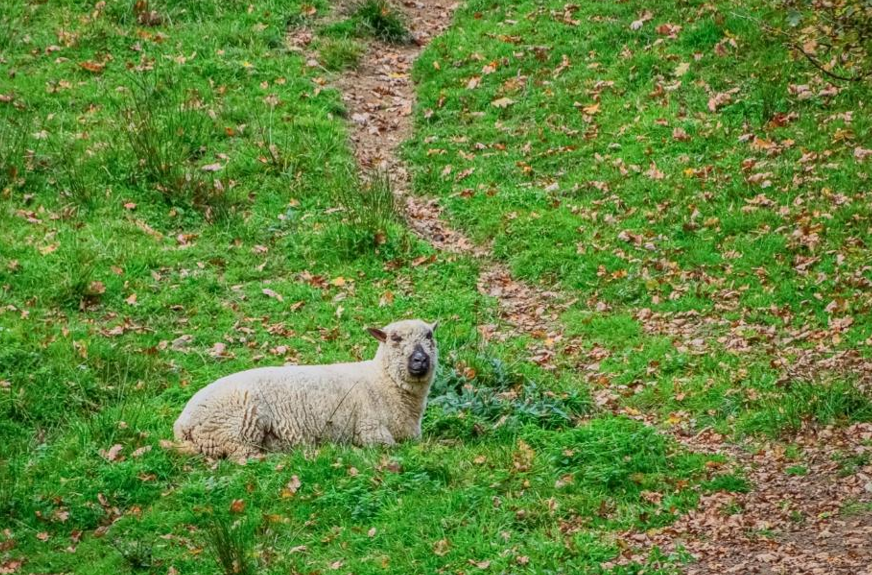
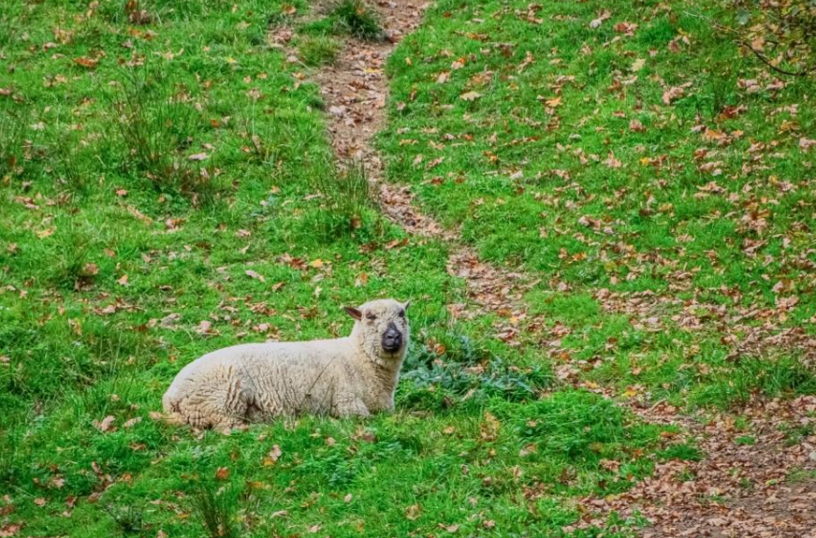
Photo credit: Annika Metz
Wolves have returned to Germany after being absent for more than a century. Whilst wolves play an important role in healthy ecosystems, their presence can create challenges for people who keep livestock. Sheep farmers, in particular, often bear the costs of living alongside wolves. To support long-term coexistence, it is important to understand not only the financial impacts of wolves, but also how farmers experience and perceive wolf presence.
In this study, we examined factors associated with sheep farmers’ tolerance of wolves in northern Germany. We surveyed 42 sheep owners living in areas where wolves have recently returned. Farmers were asked about their experiences with wolves, any sheep losses, their emotional responses, and whether they felt empathy towards wolves. We then identified which factors were most strongly associated with differences in wolf tolerance.
Our results suggest that emotional experiences were more strongly associated with tolerance than direct financial losses. Farmers who reported feeling worried, frustrated, or stressed because of wolves tended to be less tolerant. In contrast, farmers who expressed greater empathy towards wolves tended to be more accepting of their presence. The number of sheep farmers reportedly lost to wolves showed only a weak direct association with tolerance. Positive experiences with wolves were associated with greater perceived non-material benefits of wolves, but these experiences were only weakly associated with tolerance.
These findings suggest that compensation schemes and technical measures alone may not be sufficient to support coexistence. Whilst protecting livestock remains essential, policies may also benefit from addressing the emotional burden of living alongside wolves. Approaches that help reduce stress, encourage understanding, and support respectful dialogue could help farmers feel more able to share landscapes with large carnivores. Recognising both the practical and emotional dimensions of coexistence is likely to be important for managing wolf recovery in human-dominated landscapes.

