By Ancois de Villiers, Karen Esler, Jessica Cockburn, and Marja Spierenburg
Landscapes are fundamentally more than just a setting or a location on a map. They are emergent from interconnected and changing ecological and social relationships across time. Therefore, the restoration of landscapes is not just simply a technical short-term intervention to rehabilitate local ecosystems, but an intentional ongoing process involving how people relate to themselves, each other, and their environment.
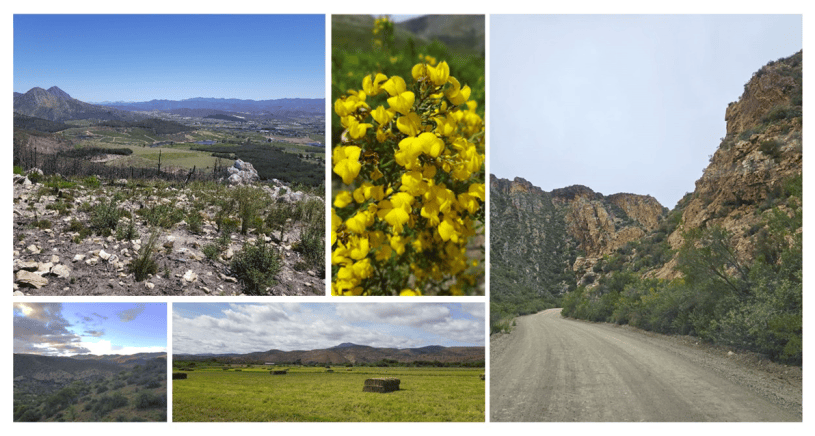
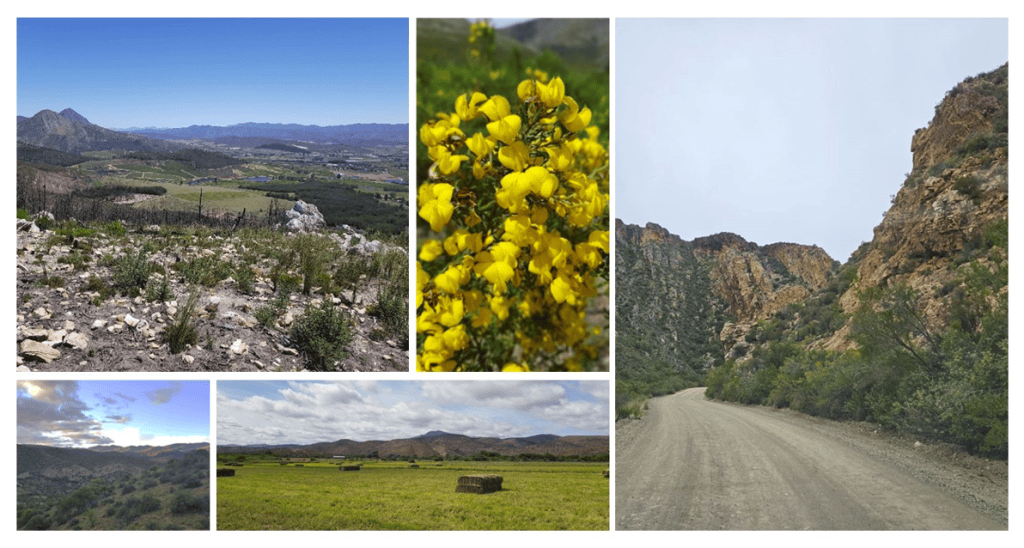
In partnership with Living Lands (a South African non-profit supporting long-term landscape restoration), our study explored this interpretation of restoration through the idea of placemaking. Placemaking is the continuous process of making and remaking relationships between people, the environment, their shared histories, and what makes a place meaningful. Looking at restoration in this way helps us understand why the same restoration approach may work differently in different places. We compared Living Lands’ experiences in two adjacent landscapes, revealing how the teams continually adapted their approach to each landscape’s unique history, relationships and local challenges by emphasising the importance of interpersonal connections and being embedded in the landscapes.
We found that placemaking explained why, at times, different people, local histories, practices, funding arrangements, and changing circumstances converged to support meaningful and effective landscape-based initiatives, but at other times they did not. Critical in all of this, Living Lands’ experiences highlighted the importance of adapting to constantly changing circumstances, but also the ability to weather the ups and downs of relationships, to work through conflict, failure and disappointments. The team was able to learn, reinvent itself, and repair or re-establish relationships when there were inevitable shocks, setbacks or disagreements. With this, Living Lands and the landscape communities have continued to collectively make progress despite challenges.
Restoration processes in landscapes are inherently fraught with unpredictable challenges and no guarantees of success. Our study highlighted the importance of organisations to not only develop adaptability and learning under these circumstances, but also the ability to cultivate and sustain relationships through change, conflict and uncertainty. Viewing restoration through the lens of placemaking helps to explain why these capabilities are central to a resilient long-term restoration process.

