By Kirsten Vinyeta, J.M. Bacon, Graham Ward, and Jordan Rowley
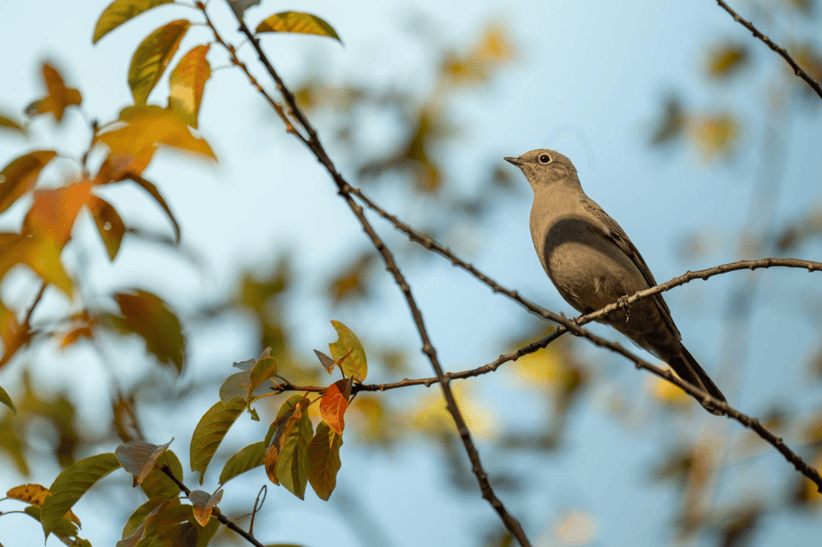
Birding has become an increasingly popular hobby, yet despite the hobby’s growth, some groups remain underrepresented, a fact some birders attribute to the origins of ornithology. In 2020, racial justice events in the United States initiated conversations about discrimination within birding. This led to the development of Black Birders Week and Bird Names for Birds, a movement which aims to replace bird names based on the names of people (referred to as “eponymous” or “honorific” names), some of which honor figures with colonial and racist legacies. In response to this movement, the American Ornithological Society decided to phase out the eponymous names of 152 bird species in North America. By replacing honorific eponyms with names that describe birds’ traits, the American Ornithological Society aims to improve access and inclusion in birding and ornithology. While the decision was welcomed by some, it was criticized by others who worry the changes erase history, create division, or are a symbolic waste of resources unlikely to improve diversity within birding.
This debate reflects tensions between Western science and environmentalism on the one hand, and social justice on the other. Although scholars have studied birders’ roles in avian conservation and citizen science, little is known about birders’ social values. Our research fills this gaps via a nationally distributed survey and interviews with birders from all walks of life. We uncover how social concerns shape the perspectives and practices of contemporary birders. We also gauge their support for the renaming initiative and examine how birders think about the connection between social justice and the welfare of birds. We found that most birders held positive (47.6%) or neutral (28.5%) views of the renaming effort, and that 69.7% plan to adopt the new bird names once instituted. We also found that while the environment is a more pressing concern among birders than social justice, birders who cared more about the environment tended to care more about social justice as well, suggesting that the rise of social justice initiatives within the birding community does not detract from a focus on avian conservation.

