By Klara Dietrich, Claudia Bieling, Corrado Ciaccia and Ingo Grass
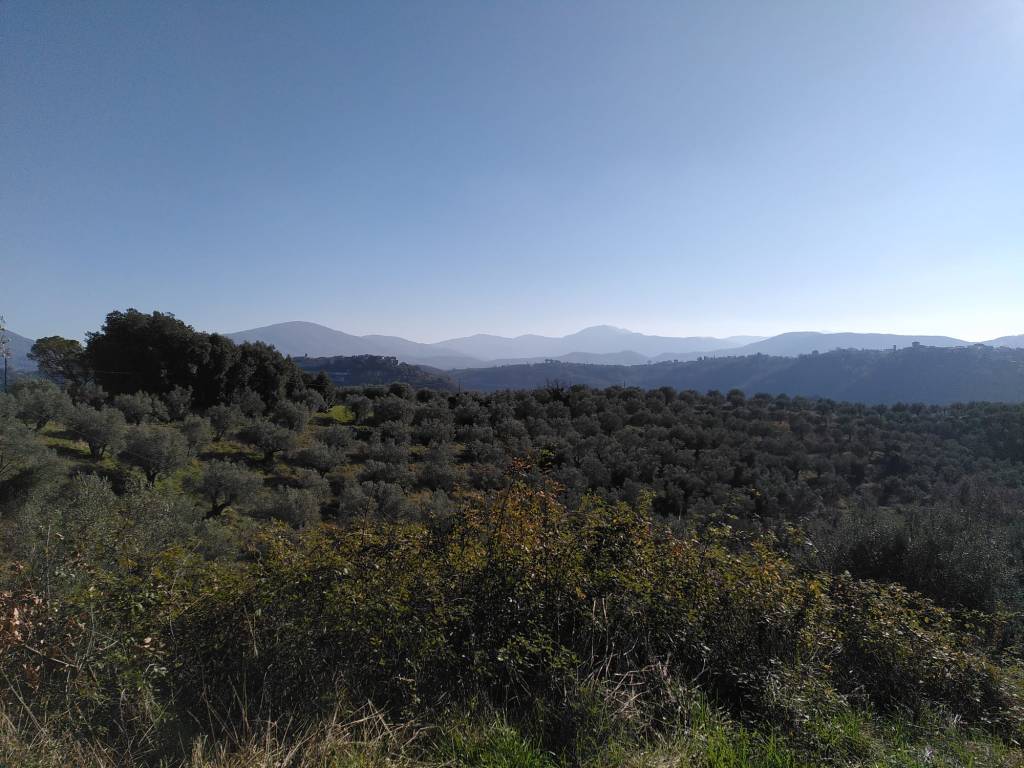
Photo credits: Klara Dietrich
What was the inspiration for this article?
Olives are a culturally rich and economically important crop in the Mediterranean, shaped by centuries of traditional management, shaping the landscape and influencing the associated biodiversity. At the same time, this farming system is increasingly affected by climate change, biodiversity loss, and economic pressures that challenge its long-term viability, threatening the conservation of seminatural environments and their embedded cultural heritage dimension. We were motivated by the observation that, despite this importance, there is no systematic comparison of how different olive farming systems perform across sustainability dimensions. Our aim was therefore to better understand the trade-offs between these systems and to situate them within broader debates on the future of olive farming.
How does your article inform future research?
Our research systematically brings together evidence on the three dominant farming systems: traditional, conventional, and sustainably intensified systems. Thereby, it provides an understanding of how each performs across the different dimensions of sustainability. The comparative synthesis moves beyond isolated case studies to identify recurring patterns in the interactions among environmental, economic, social, and governance dimensions in olive farming.
The findings reveal that none of the existing farming systems perform well across all sustainability dimensions. This highlights the need to consider alternative paradigms, leading us to examine agroecology as a potential pathway towards more sustainable olive production. By framing the findings through an agroecological lens, the study helps clarify how agroecology can be operationalised in olive systems: not as an abstract concept but to guide future research towards more integrated, context-specific and practice-relevant assessments that explicitly include social and governance dimensions.
Why did you choose People and Nature for your research?
We chose People and Nature because it explicitly focuses on the relationships between ecological systems and human societies. This fits well with our understanding of olive farming as a social-ecological system, rather than only a production system. Our work highlights how sustainability depends not only on ecological practices, but also on social relations and governance structures. This relational perspective is closely aligned with agroecology and with the journal’s aim to understand how people and nature are connected in practice.
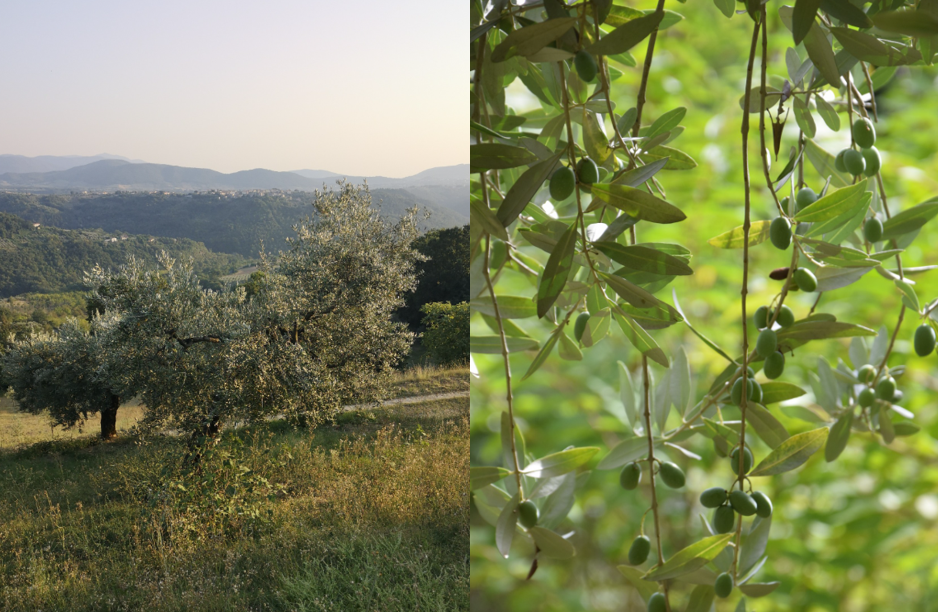
Read the full published paper – Social-ecological sustainability of olive farming in the Mediterranean: A review of current practices and an agroecological perspective
Read the Plain Language Summary of the published paper

