By Frederica A. Poznansky, Mark Ferguson, Lewis R. Elliott, Joanne K. Garrett, Rebecca Lovell, Benjamin B. Phillips, and Kevin J. Gaston
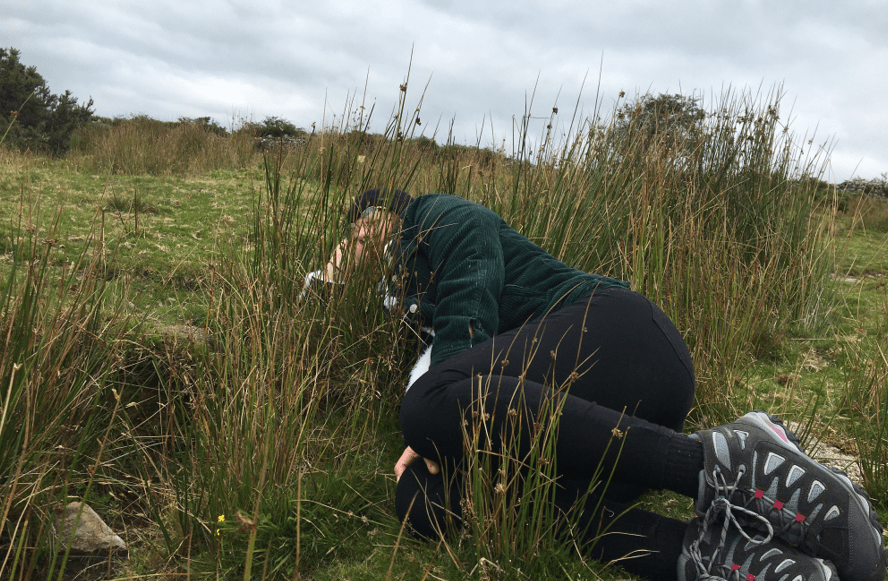
From frogs to fungi, wildlife and the spaces they depend on are under threat from human pressures such as urban development and pollution. As a result, the diversity of living beings – known as biodiversity – is declining, leading to fewer human-nature interactions. This may be driving a vicious cycle as fewer nature human-nature interactions lead to reduced awareness of the importance of protecting biodiversity, ultimately causing further environmental destruction. To understand this pattern, we first need better ways of measuring an individual’s nature interactions in their everyday lives, known as their personalised ecologies.
Here we introduce the Personalised Ecology Index (PEI), designed to measure the many ways a person directly interacts with nature through their senses, as a single score. The PEI measures four dimensions of nature interaction: how often people visit nature (frequency), how long those visits last (duration), how varied the types of natural spaces visited are (diversity), and how much attention they pay to elements of nature (intensity). To construct and evaluate the PEI, we used two national surveys in the UK that explore the interactions between people and nature.
Our analysis found that these four dimensions work together as a reliable and meaningful measure of nature interaction. We found that the index remained robust to variations in how the questions were asked and explain why we made certain decisions about the design of the index. To ensure the validity of the index, we confirmed that people we would expect to score higher, such as those living in rural areas or with more access to green spaces, did indeed score higher on average. We also found that the index behaved differently from, but in a related way to a well-established measure of a person’s connection to nature, the Inclusion of Nature in Self scale (INS).
Further exploration of the two-way relationship between nature’s decline and people’s interactions with nature will help to inform wider environmental and infrastructural policy measures. This may be critical for restoring nature that is so essential to human thriving.
 Relational Thinking