By Juan Cueva-Orjuela, Daniel Yepes-Ocampo, Clara Villegas-Palacio, Ignasi Rodriguez-Roda & Antonina Torrens
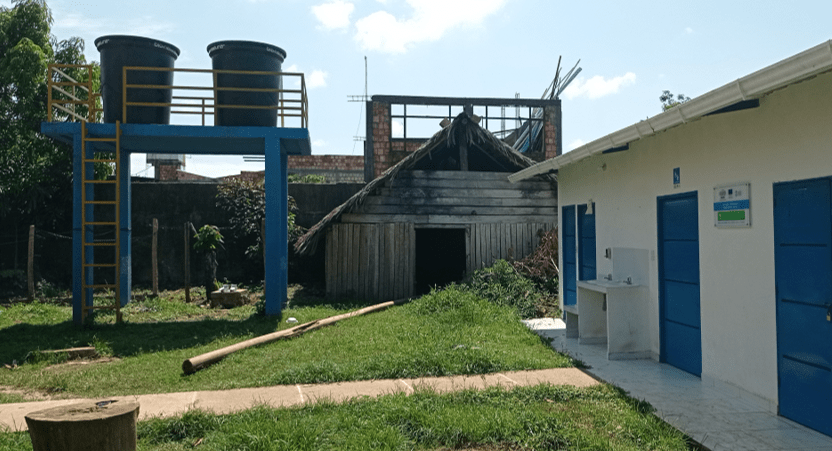
Water security is often understood as having enough safe water for people and ecosystems. However, Indigenous communities around the world have long held their own knowledge, values, and practices related to water. We wanted to understand how these perspectives are represented in scientific research and what they can contribute to current discussions about water security.
We reviewed published scientific studies that examined water security from Indigenous knowledge perspectives. We identified studies from different parts of the world and analysed their locations, methods, main topics, and how they defined or evaluated water security.
We found that Indigenous perspectives often extend beyond common definitions of water security. While many studies focus on water quality, quantity, and access, Indigenous perspectives frequently describe water as part of broader relationships between people, communities, territories, and the natural world. Across the literature, Indigenous perspectives on water security commonly included governance, cultural and spiritual values, relationships with water, and water conservation practices.
Most of the available research comes from Canada and other countries in the Global North. In contrast, studies from many regions of the Global South remain limited. We also found that most research focuses on rural and single-ethnic Indigenous communities, while urban Indigenous populations and multi-ethnic communities receive much less attention. Although several frameworks have been proposed to evaluate water security from Indigenous perspectives, many remain at an early stage of development and often focus on specific dimensions.
Our review shows that Indigenous knowledge can contribute important insights to how water security is understood and evaluated. Future research should expand to underrepresented regions and communities, strengthen collaboration with Indigenous peoples, and develop approaches that better reflect the diversity of Indigenous knowledge systems. We also recognize that much Indigenous knowledge about water is not documented in academic journals and therefore remains underrepresented in the scientific literature. Supporting Indigenous-led research and knowledge sharing will be important to address this gap.
 Relational Thinking