By Francesc Comalada, Vicenç Acuña, and Xavier Garcia
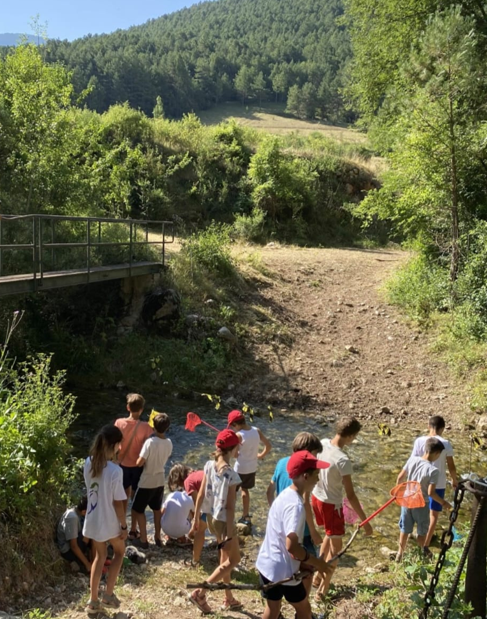
Freshwater ecosystems like rivers, wetlands, and lakes provide much more than clean water or fish. They are places where people swim, walk, learn, find inspiration, or simply enjoy the view. These non-material benefits, which also include recreation or spiritual enrichment, are known in research as cultural ecosystem services. Despite being among the contributions of nature to society that people value most, managers seldom consider cultural ecosystem services when making decisions about environmental management or restoration.
I reviewed 155 published studies from 2010 to 2024 to understand how researchers worldwide have studied these benefits, what makes water environments more or less valuable to people, and whether restoration efforts actually improve non-material experiences. Most research comes from Europe and Asia and focuses on rivers and wetlands. Recreation and scenic beauty are by far the benefits researchers have studied most, while scientists give much less attention to benefits such as spiritual meaning or sense of belonging.
I found that three features consistently shape how people value freshwater environments: (1) water quality; (2) the presence of natural vegetation; and (3) how easy it is to reach and enjoy the site. When managers restore ecosystems, for example, by improving water quality or reconnecting floodplains, people tend to visit more, feel more attached, and even express willingness to pay for further improvements. However, restoration can also create tensions. Restricting access to protected nature, for instance, may reduce some of the very benefits that build public support.
My study shows a clear gap between what people value in freshwater landscapes and what conservation priorities typically address. I believe that incorporating these social and cultural dimensions into planning and restoration is not just desirable, it is essential for building public support, ensuring fair outcomes, and making conservation efforts more effective in the long run.

