By Peter King, Tom D. Breeze, Theresa Robinson, and Martin Dallimer
Great Britain is home to thousands of insect species, yet evidence suggests that insect populations are under pressure. Most conservation efforts focus on a few popular species and their immediate practical benefits, particularly bees and pollination. However, insects are very diverse and play many roles in ecosystems, and for people. Here we were interested in three different types of value: (1) the value that people place on knowing they can personally encounter insects; (2) the value of knowing that insects exist even if a person does not personally encounter them; and (3) the value of knowing that insects can exist longer-term for future generations.
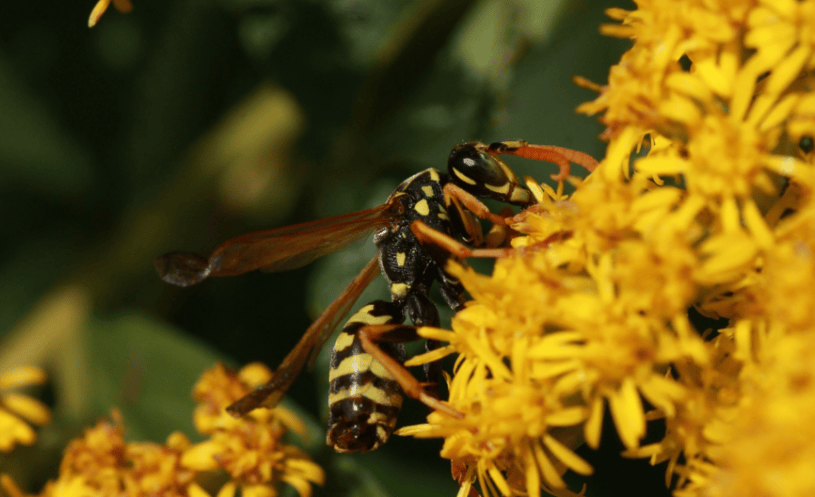
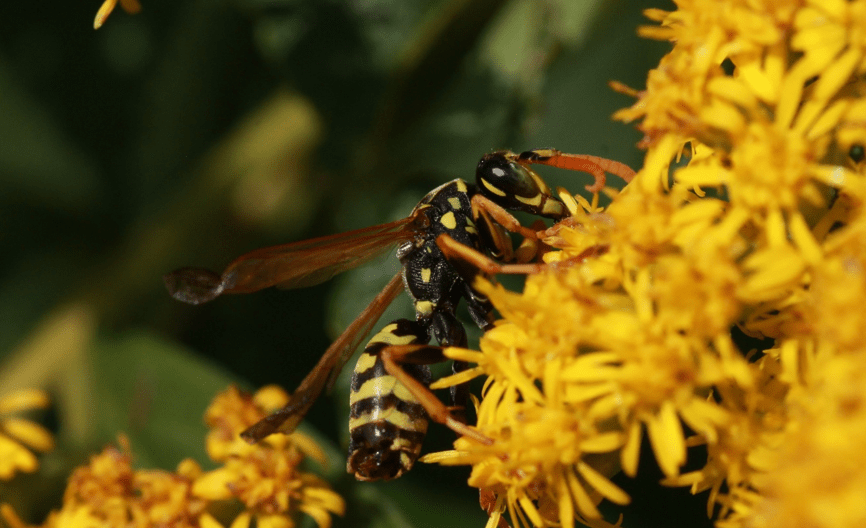
We surveyed 1,684 adults across Great Britain about whether they would be willing to pay for potential conservation efforts that would increase the amount of area dedicated to three different types of insects: bees, wasps, and ground beetles. We found the public was divided. Around 40% were ‘pro-insect,’ supporting conservation across all three groups of insect. Around a quarter were ‘insect-averse,’ opposing policies around insects. The remaining third of the population was ‘ambivalent,’ with preferences that depended heavily on the type of insect. We found that for some, supporting wasp conservation was something they were willing to pay for, despite the general feeling that people love bees, but hate wasps. We showed that people derived higher wellbeing from the knowledge that insects will survive for future generations compared to the wellbeing from personally encountering more of these insects today. We discuss some psychological and socioeconomic factors that might influence this ‘bequest’ motive of conservation.
Our findings carry a clear message for conservation policymakers and wildlife communicators. Campaigns that focus only on the immediate, practical benefits of popular insects are failing to maximise public support. Emphasising the importance of protecting the natural world as a legacy for future generations, across all insect types, not just the charismatic or useful, could support broader public backing for reversing insect declines.

