By Meryem Aakairi, Sara Elgadi, Hamza Zine, Christel Vidaller, Mohamed Cherkaoui, Emmanuel Corcket, and Irene Teixidor-Toneu
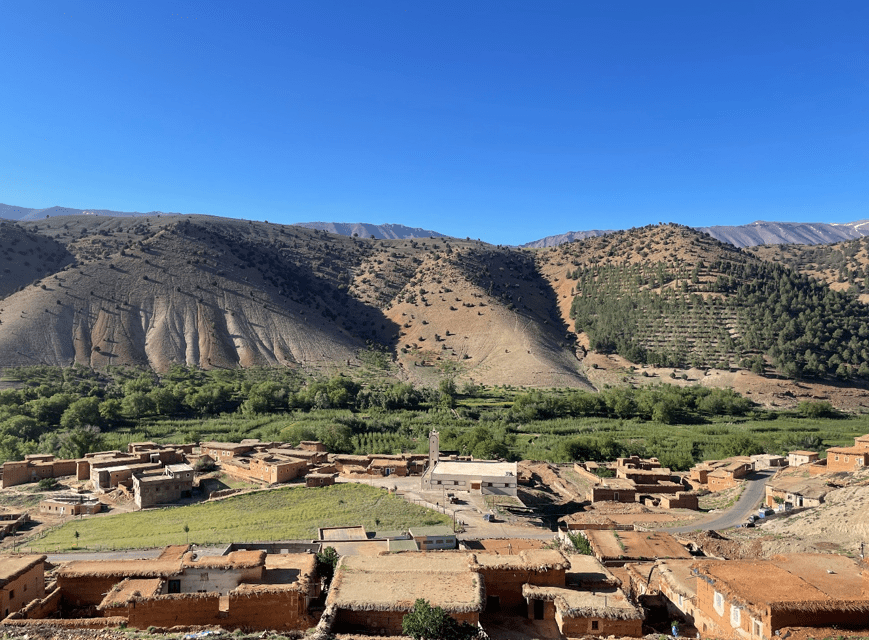
In Morocco’s High Atlas Mountains, women’s everyday care for land, plants, and animals shapes the landscape. Women’s knowledge and practices play an important role in maintaining both nature and community life, yet people often overlook the role women play.
In this study, we worked with 80 Amazigh women in the Ait Bouguemez Valley to understand how they see, use, and manage their environment. Through group discussions and field visits, we identified different types of places in the landscape. Physical features, like soil or altitude, helped define these places, but also local rules, values, and shared practices. We also carried out plant surveys to better understand vegetation distribution across these places.
We found that natural conditions, such as altitude, soil, and sun exposure, mainly shape the plants growing in each area. At the same time, people influence how vegetation is structured through practices like regulating grazing, collecting wood carefully, and respecting seasonal closures. These actions help limit pressure on plants and support their renewal over time.
Our study shows that landscapes are not only natural systems, but also the result of ongoing relationships between people and the environment. Women’s knowledge, values, and collective practices are essential to maintaining this balance. Recognising their role is important for designing conservation and sustainability policies that are both effective and fair.

