By Kathryn Williams, Rose Macaulay, Katherine Johnson, Cullan Joyce, and Dianne Vella-Brodrick
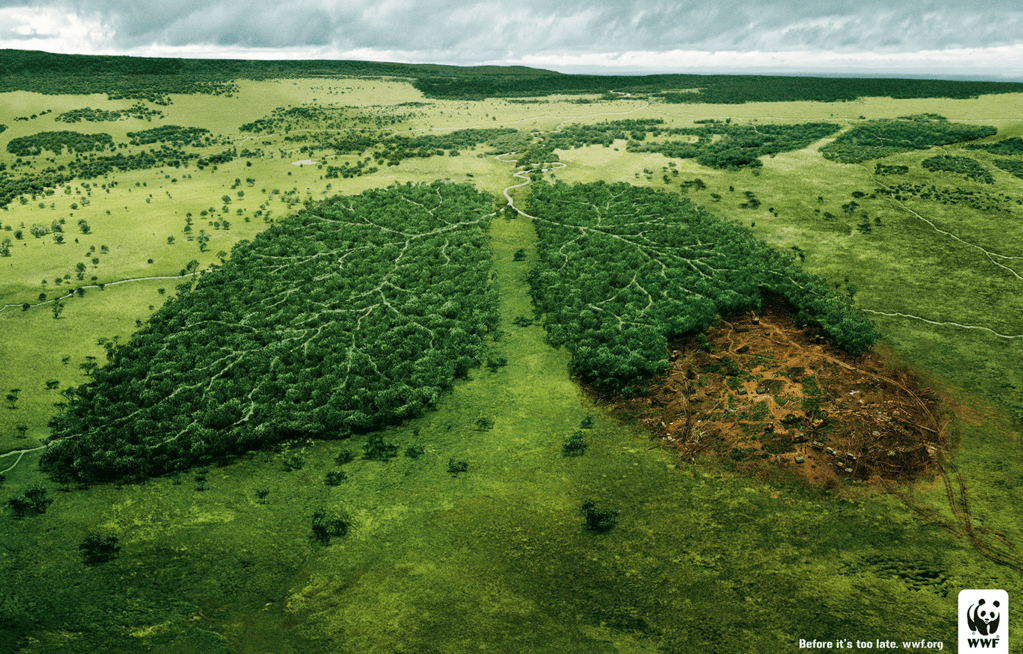
Research shows that spending time in nature enhances psychological wellbeing. We understand less about how those benefits occur. We do know however that nature connection is important to these outcomes. Nature connection includes the ways people think, feel and act in relation to nature.
This paper is concerned with how researchers can best study nature, nature connection and wellbeing. Nature connection implies that humans and nature are not separate: people are nature. However, many researchers who study nature and wellbeing rely on a scientific approach that assumes nature and people are separate. This paper is, therefore, concerned with a tension we see in the way researchers study the human-nature relationship. Unresolved, this tension can create ambiguity in research, thus limiting its usefulness. We want to help researchers to navigate this tension and make their work more coherent.
To do this, we studied how researchers define nature and nature connection, and how they explain the role of nature and nature connection in supporting psychological wellbeing. We first describe different scientific approaches available to study nature and wellbeing, including the mechanistic approaches that dominate study of this topic, and more relational approaches that do not assume people and nature are separate. We explain that there is no single ‘correct’ scientific approach; and outline benefits in looking at environmental challenges using multiple scientific approaches. We then analyse existing research to identify different ways researchers think about nature, nature connection, and wellbeing and how these relate to mechanistic and relational scientific approaches.
Finally, we make recommendations for researchers. We suggest ways of defining nature, nature connection and wellbeing that align with mechanistic and relational approaches to the topic. We also suggest contrasting ways to approach causation and aspects of methodology that align with these different scientific approaches. These recommendations are designed to support researchers working within different scientific approaches to be clear and coherent in the way they define and observe nature, nature connection and wellbeing.


Gratidão pelos resumos!!! No dia a dia de hoje é muito importante!
LikeLike
Of course! I am glad they are useful 🙂
LikeLike