By Iniunam Aniefiok Iniunam, Joan Fadzai Banda, Talatu Tende, Danjuma Filibus Dami, Ulf Ottosson, and Adams Adamanyiwa Chaskda
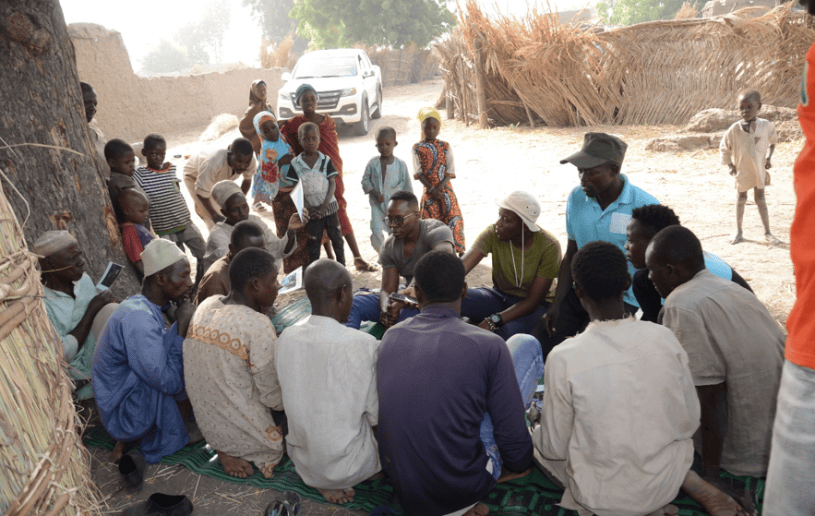
Photocredit: Bitrus Afan
How people feel about wildlife strongly affects whether they choose to protect it or not. In many parts of the world, ecology, culture, emotion, and traditions all shape how people view animals. This study focuses on owls in Nigeria, where people often link them to witchcraft, bad luck, and supernatural beliefs.
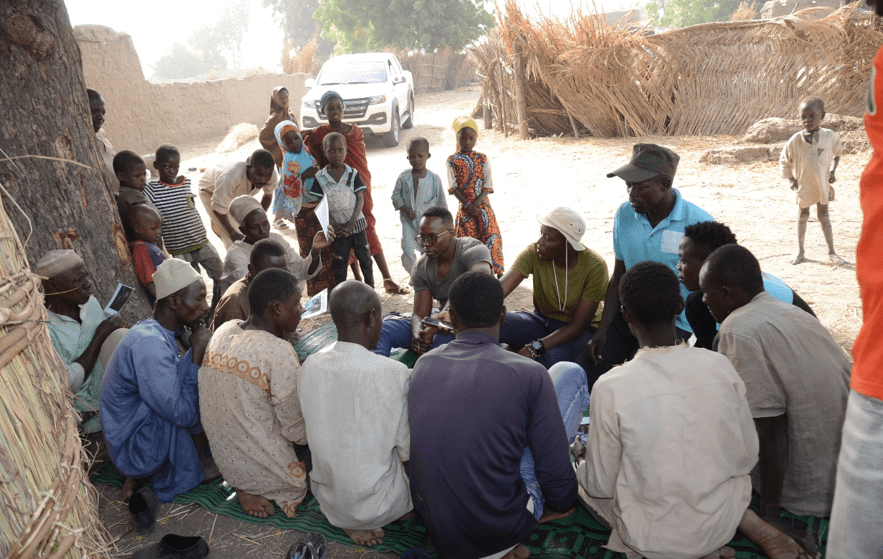
We interviewed 1,819 people living near six protected areas in northern and southern Nigeria to understand how they perceive owls, whether they use them for cultural purposes, and how willing they are to protect them. We found that negative views of owls are widespread and that owls’ cultural beliefs, rather than direct experience with the birds, strongly influence these negative views. Negative views were more common among women, people with less formal education, and occupations such as hunters and traditional healers, and were strongest in more remote areas.
People who viewed owls negatively were much less likely to support owl conservation or to tolerate owls nearby or in their homes. In contrast, people with better knowledge of the ecological role of owls, such as their importance in controlling pests, were more likely to support conservation. However, simply providing information is not always enough, because deeply rooted beliefs and emotions can continue to shape attitudes.
Our findings show that when people have fewer direct experiences with nature, cultural beliefs, especially those based on fear, can become stronger. This can make it harder to conserve species that people see as dangerous or bringing bad luck, even when they are beneficial to ecosystems. This research highlights that conservation efforts need to go beyond science and include cultural understanding. Working with local communities, respecting their beliefs, and finding ways to reshape negative perceptions are key to improving coexistence between people and wildlife.

