By Nata Tavonvunchai, Holly J. Niner, Abigail McQuatters-Gollop, and Siân Rees
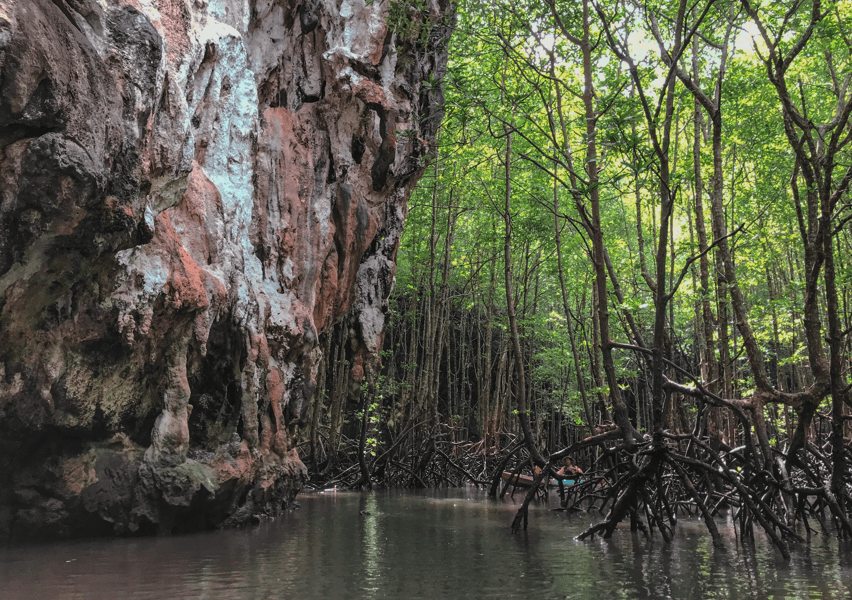
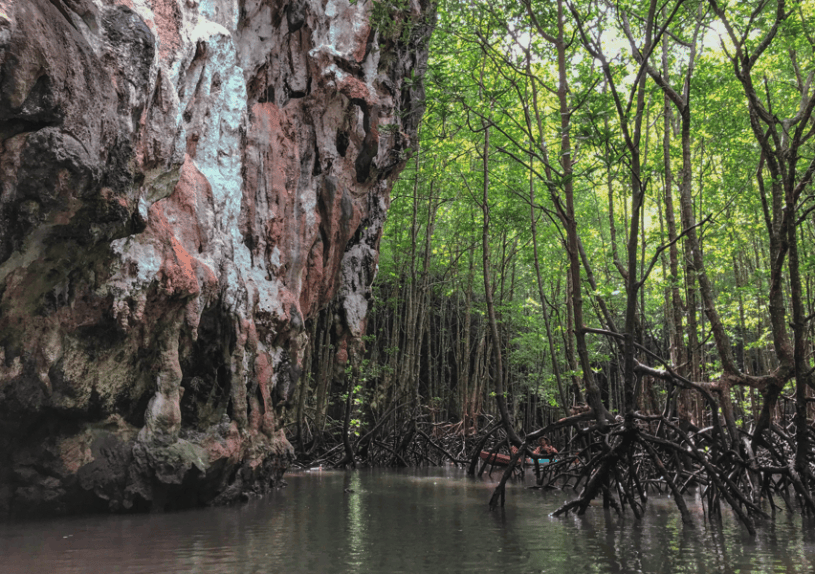
Coastal “blue carbon” ecosystems, such as mangroves and seagrasses, are vital for fighting climate change because they store vast amounts of carbon. To protect these areas, “blue carbon credits” are sold to investors, with the promise that the money will support both nature and the local people who live nearby. However, there are growing concerns that these projects might focus too much on carbon and not enough on the actual needs and well-being of local communities. This study reviewed 77 blue carbon projects from around the world to understand what social and economic activities they plan to deliver. We found that most projects aim to support goals far beyond just “Life Below Water” (SDG 14). Specifically, they focus on creating jobs in sustainable fishing and tourism, improving food security, and even providing “international development” services like better healthcare, clean water, and local infrastructure. Our research highlights that blue carbon projects have socio-economic aims similar to development programmes, which also aim to reduce poverty and promote gender equality. While local communities’ involvement in project inception and co-design is noted, their participation in the project delivery was not as detailed in project documents. There was also little information on how these social benefits will be measured and proven over time. This paper provides a baseline that helps the academic community, certification bodies, and carbon credit investors ensure that blue carbon finance effectively supports both a healthy planet and thriving coastal communities.

