By Elin Lundquist, Erik Öckinger, Alice L. Mauchline, Ignasi Bartomeus, Stuart Edwards, Michiel F. WallisDeVries, Simon G. Potts, Andy Ruck, and René van der Wal
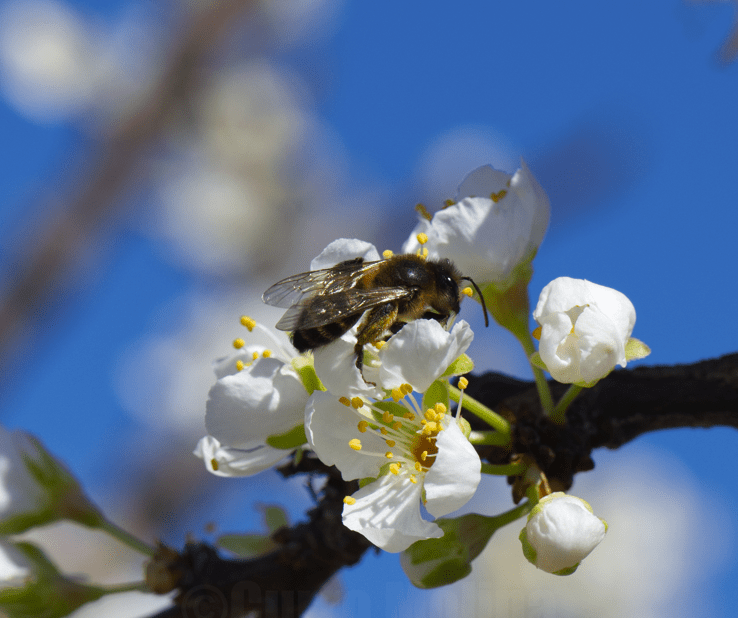
Biodiversity is declining around the world and farmland is one of the places where many wild plants and animals are under pressure. To understand these changes and determine whether conservation efforts are working, we need better monitoring of wildlife. However, biodiversity monitoring on farmland is still limited. We wanted to explore whether farmers and people interested in nature and species identification could work together to improve biodiversity monitoring on farmland.
In our study, we examined different ways of involving farmers and naturalists in monitoring pollinating insects on farms in Spain, Sweden, and the United Kingdom. We explored farmer-led activities, collaborations between farmers and naturalists, and approaches in which naturalists carried out the monitoring and shared information with farmers. We asked participants about their motivations, experiences and what they felt they gained from taking part.
We found that many farmers wanted to participate because they cared about biodiversity and wanted to learn more about the plants and insects on their land. However, farmers often found it difficult to identify species, use monitoring tools, and fit monitoring into their already busy work schedules. Naturalists, on the other hand, were motivated by opportunities to support conservation, share knowledge, and learn more about farming systems. They also valued access to farmland and contact with farmers but noted that building relationships takes time and effort.
Our findings suggest that many farmers are interested in learning about biodiversity but are unlikely to take on the role of species recorders on a large scale. Instead, collaboration between farmers and naturalists may be a more realistic and effective approach. Working together can improve understanding between different groups, strengthen positive attitudes toward conservation, and connect ecological knowledge with practical farming experience. To make these collaborations successful, long-term support, easy-to-use tools and strong local networks are important.

