By Natalie York, William Naimado, Charis Enns, Brock Bersaglio, Mali Ole Kaunga, Joseph Larpei, Victorlyn Mukiri, Judy Oreheya, Vivian Silole, and Johan Oldekop
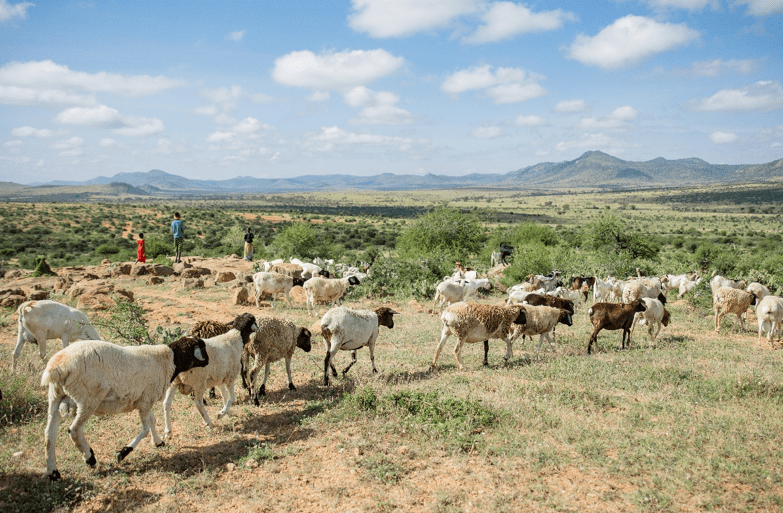
Biodiversity loss is a growing threat to people and the planet, and in response, the Global Biodiversity Framework is aiming to conserve 30% of the planet by 2030. Historically, people have designed conservation interventions to protect nature from people. For example, much conservation strategy involves establishing protected areas, or interventions aimed at altering human behaviours that might be harmful to the environment. However, these approaches have often harmed Indigenous Peoples and local communities. For instance, establishing new protected areas can displace Indigenous People and local communities from their homes, sometimes violently, or prevent them from accessing land and resources.
Our paper explores an alternative conservation model in northern Kenya, which instead of separating people and the environment, seeks to protect people’s relationships with nature. The Inclusive Conservation Initiative (ICI) is supporting pastoralist communities in the Upper Ewaso Territory River Basin to gain recognition for how they use and care for land and water resources, while ensuring that these resources remain protected for future generations. Finding alternative conservation models that can work with pastoralist communities is especially important in this context because, despite evidence for how pastoralism has contributed to creating and maintaining healthy rangelands over centuries, pastoralists have been widely excluded from (and often positioned as a problem for) conservation interventions in the region.
Our findings show that ICI’s approach offers an alternative to conventional conservation models. It does so in three key ways: (1) ICI recognises pastoralists’ own practices as the basis for conservation; (2) it focuses on securing rights to land and resources for people and livestock; and (3) diverse ways of knowing and relating to nature underpin ICI. By focusing on protecting pastoralists relationships with nature, we argue that the approach taken by ICI – known as biocultural conservation – provides an alternative pathway that can better support people and nature to adapt and thrive in a changing world.

