By Sam SS Lau, Jason WL Fong, Andras N. Zsido, and Matthew H.E.M. Browning
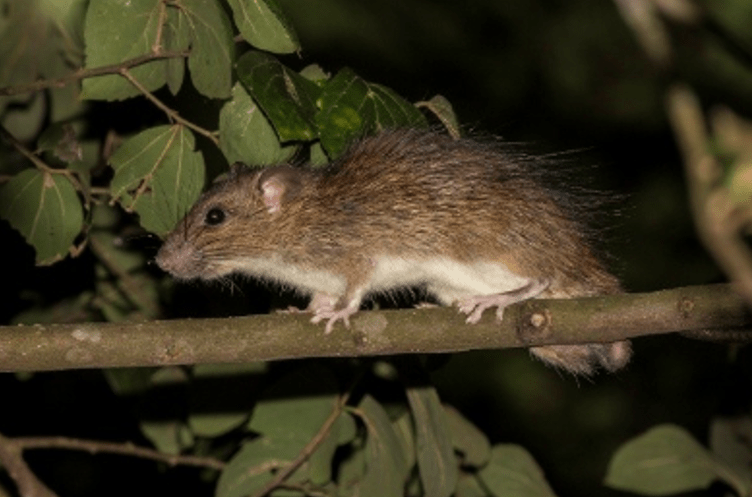
Photo credit: Matthew Kwan (https://matthewkwanbirding.blogspot.com)
Fear of animals—biophobia—is rising among people in highly urbanised cities. With fewer opportunities to meet wildlife directly, urban residents are increasingly reliant on videos, social media, or stories from parents or peers to learn about local wildlife. Certain animal species, such as snakes and spiders, induce more fear than others. We wondered whether people who live in cities might perceive small, harmless animals, such as mice, bats, and worms, as scary because these people are unfamiliar with wildlife and they relate the harmless animals to genuinely dangerous wildlife.
In this study, we surveyed 1,430 adults in Hong Kong, China, to explore the relationship between snakes, spiders, and small harmless animals. We examined how their fear of each animal was related to their nature connections and disgust.
We found that spending time in nature in real life, such as walking in parks, exploring natural areas, or simply noticing wildlife, was the strongest factor in reducing biophobia. Feeling emotionally connected to nature also reduced biophobia, but only for snakes and spiders. This means that physical experiences in nature matter more than psychological factors such as feelings or beliefs.
We also found that different types of disgust predicted different animal fears:
- animal reminder disgust, for example, fear triggered by reminders of mortality, predicted fear of snakes and spiders.
- blood-injection-injury fear predicted fear of small harmless animals.
Surprisingly, the fear of dangerous animals (especially spiders) was strongly linked to fear of harmless animals, even after accounting for nature connections and disgust. This suggests that, to an extent, people generalise fear across different species. However, we found that neither parental fears, direct animal experiences, nor sociodemographic factors could explain this phenomenon.
Our findings highlight the importance of creating more opportunities for people to experience nature directly, which may help reduce fear of wildlife and support nature conservation in increasingly urban societies. Further studies are still needed to assess urban risks to fear of animals, and to evaluate the extent to which fears of harmless and dangerous animals are learnt.

