By Loes A. Verkuil, Nynke Schulp, and Mario Torralba
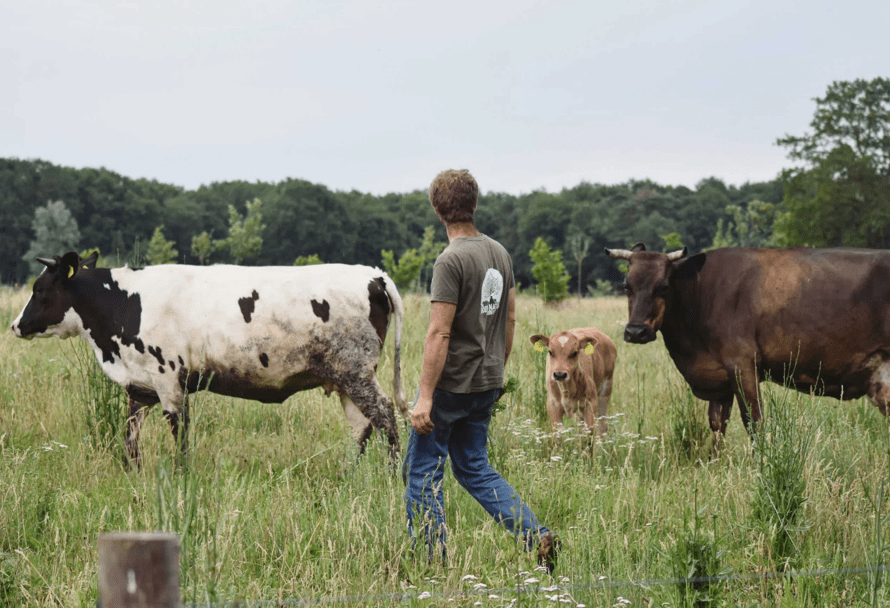
Farmers’ views on how they relate to the environment and to society have a large influence on how they manage their land. If we understand what factors and viewpoints influenced farmers to start using more sustainable farming practices, we will have more knowledge on the conditions needed to help other farmers who are interested in switching to sustainable agriculture.
For this study, we interviewed 17 livestock farmers in sandy soil area in the Netherlands who use a range of sustainable practices. We asked them to construct a mind map around the factors that influenced them to use sustainable management, and how they think they influence their environment through their management. We compiled these mind maps and analyzed which factors and influences on the environment were the most important.
The results show that sustainable social and economic practices, like having a place on the farm to sell farm products, or exchanging knowledge with other farmers or organisations, are often used due to the influence of social surroundings, or market demands, and the potential of increasing farm revenues. Examples of sustainable agronomic practices, which involve the way farmers manage their farmland, are planting trees on pastures, having more space for farm animals, or managing forests. These practices are often linked to a desire to take care of the environment, and the ambition to be less dependent on farm input industries, but also to decrease workload and financial costs. The aspects of the environment farmers thought they influenced a lot were soil quality, animal health, and water availability, which are aspects that farmers make direct use of in their businesses. Environmental aspects farmers prioritized less often were typically more relevant for the wider society, like reducing the causes of climate change, and maintaining clean water.
Based on these results, we advise farmers to increase efforts for raising awareness on the effects farmers can have on environmental issues that impact society, by emphasizing farmers’ sense of care for the environment. We also advise further research to look into how sustainable farming practices influence the workloads and financial costs for farming businesses, as our research results were not clear on this topic.

