By Marchessaux, Guillaume; Švolíková, Kristína; Števove, Barbora; Tarkan, Ali; Giannetto, Daniela; Preda, Cristina; Kalamujić Stroil, Belma; Mańko, Maciej K.; Abonyi, András; Becz, Álmos; Morpurgo, Massimo; Pakhomov, Evgeny A.; Mumladze, Levan; Bosch Belmar, Mar; Hosia, Aino; Ventura, Patricia; Javidpour, Jamileh; and Lüskow, Florian
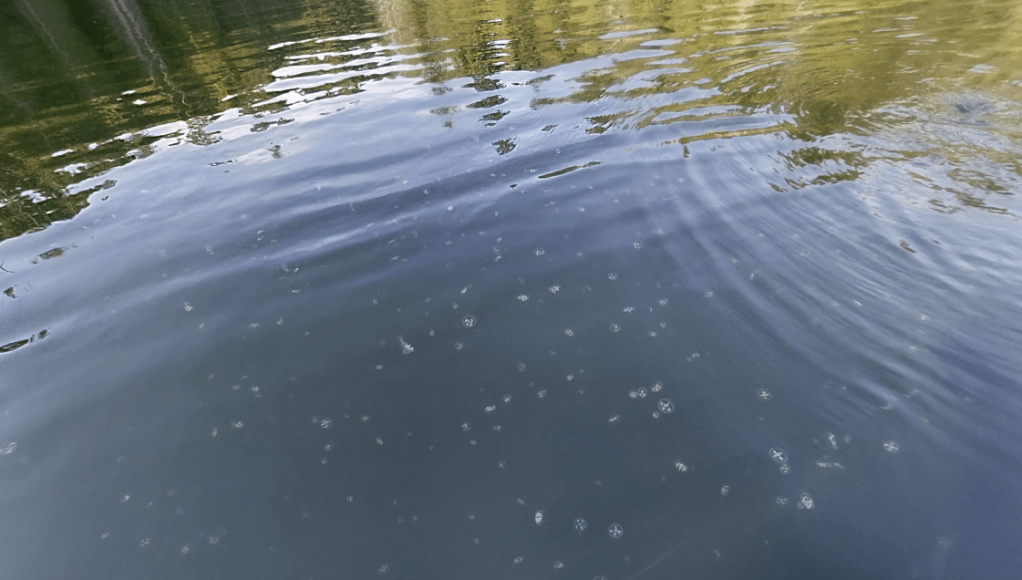
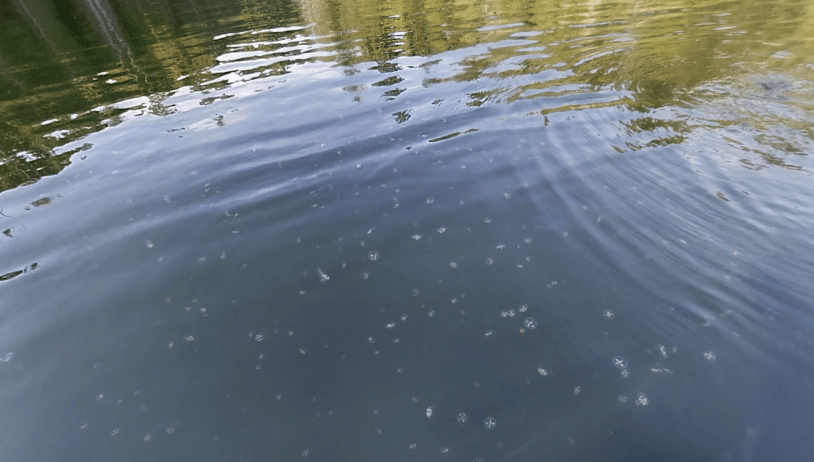
Invasive alien species are one of the main drivers of global biodiversity loss. However, not all invasions are obvious. Some species spread quietly, without causing visible damage or attracting media attention. In this study, we explored public awareness of the freshwater jellyfish Craspedacusta sowerbii, a small, almost transparent species that likely originates from China and is now present on six continents. Although it has been recorded in many European countries, we know little about how people perceive it.
We conducted a multilingual online survey over 22 months across 17 European countries, collecting 1,388 responses. We showed participants images of the jellyfish and asked about their knowledge, experiences, and opinions. The results revealed low levels of awareness. More than 80% of respondents did not know the species’ scientific name, and nearly half incorrectly believed it lives in the sea rather than in freshwater. Only one-third correctly identified it as a non-native species. These findings suggest the public largely does not notice this invasion.
Despite limited knowledge, many respondents described the jellyfish as beautiful, delicate, or fascinating. Encounters with large numbers sometimes caused caution or mild concern, but stings were rare and usually painless. Overall, people did not widely see the species as a serious local problem. However, many participants supported increased public discussion, awareness campaigns, and management attention.
Using a statistical model, we found that direct observation of the jellyfish was more strongly linked to concern and willingness to engage than demographic factors or factual knowledge. In other words, personal experience mattered more than scientific information.
Our study highlights the risk that small, inconspicuous species can spread without people recognizing them as potential ecological threats. We argue that citizen science, public engagement, and improved communication are essential to detect and manage these “hidden” invasions before their impacts become more severe.

