By Francis Joyce
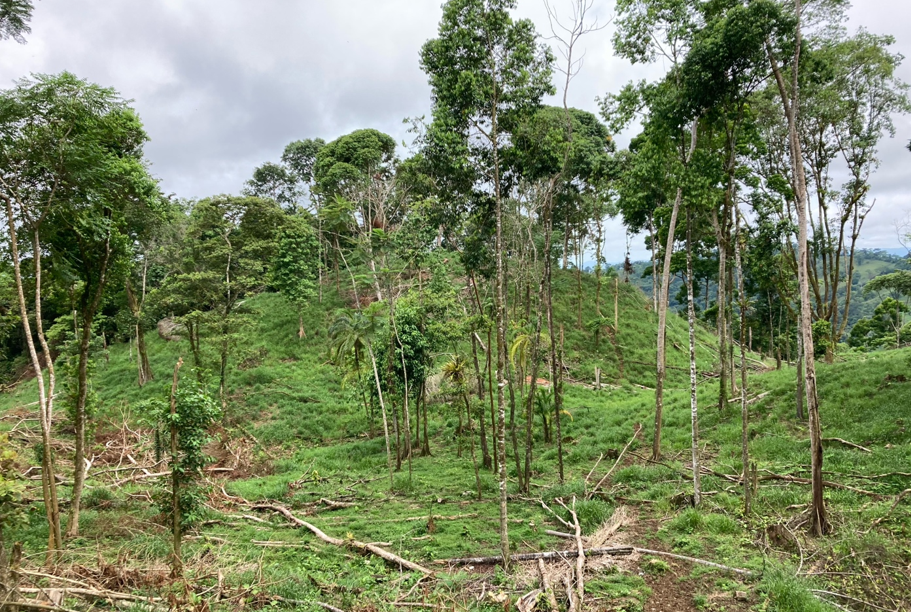
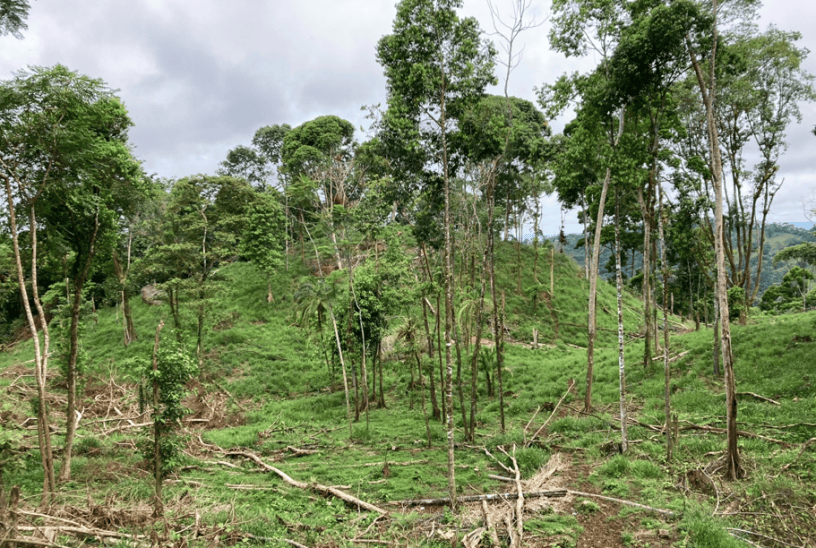
Recent studies based on satellite imagery highlight that many second-growth forests in the tropics are short lived. Researchers even nicknamed them “Peter Pan forests,” because they remain forever young and never grow up. These “reforestation reversals” are concerning because restoring forest cover is widely considered a key strategy for storing carbon, providing habitat for biodiversity, and hopefully improving local people’s livelihoods and wellbeing.
Why would landholders reclear land that was starting to regrow as forest? A common assumption is that landholders need to use the land to generate income. This is the logic underpinning Payments for Ecosystem Services programs: that people who own or control land can be financially incentivized to restore and protect forest (or framed another way, to simply not cut it down).
To better understand on-the-ground processes of regrowth loss and how locally implemented policies might be able to engage existing landholder motivations I interviewed 57 people at rural properties in three municipalities in Costa Rica where data from satellite images suggested tree cover was lost in the past five years. I asked open-ended questions about why they cleared vegetation from those properties and asked for what reasons (if any!), they would consider allowing regrowth to persist on their land.
Landholders commonly reported reclearing even when they received most of their income from off-farm activities, and even when on-farm activities did not generate any income. However, they perceived regrowth clearing as a way to increase land sale value. On other hand, more than half of landholders said that protecting water sources was a reason they might consider not clearing regrowth.
Overall, hearing landholders’ experiences and perspectives managing rural land highlighted both the challenge of fostering forest regeneration and the potential to improve policy actions that respond to their concerns and existing motivations.

