By Kimberly M Post
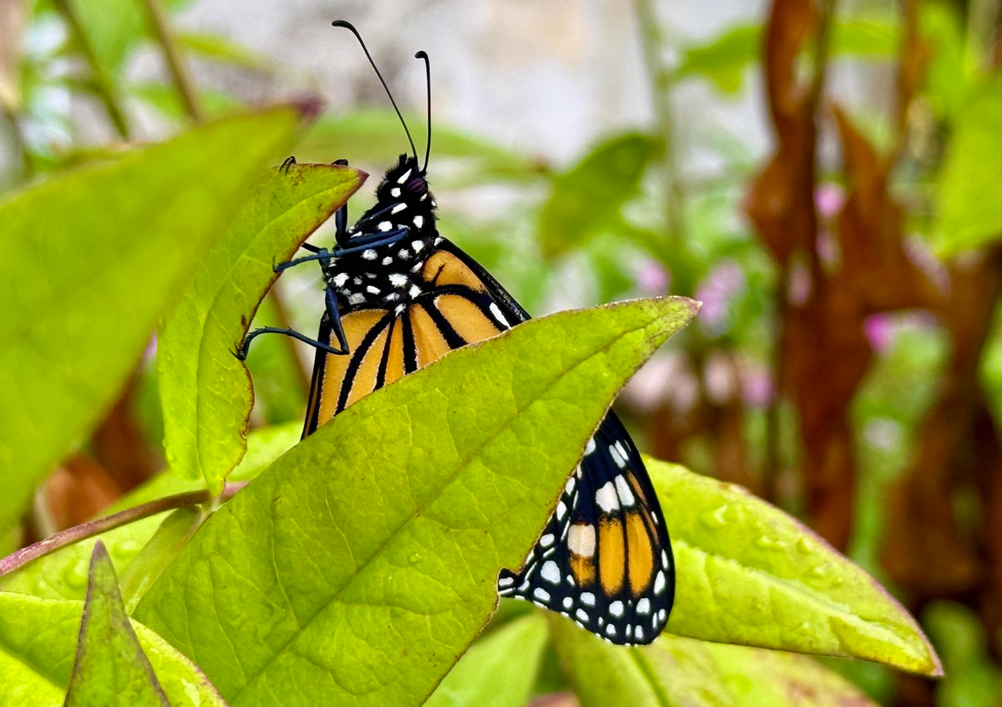
Sustainability efforts have traditionally emphasized nature either as a resource for humans—like timber, clean water, or ecosystem services—or as valuable in itself, worthy of protection regardless of human needs. Yet many people experience far deeper, more personal ties with the natural world. Some feel nature as family or community, others sense mutual care and responsibility toward it, many find their sense of identity and belonging through it, and nearly everyone draws happiness, peace, or purpose from time spent outdoors. These “relational values” powerfully inspire environmental protection, strengthen community well-being, and support lasting sustainability changes. Until now, scientists lacked a reliable, targeted survey to measure relational values accurately.
This study developed the Human-Nature Relational Values (HNRV) instrument to fill that gap. We began with a comprehensive review of existing nature-connection tools, identifying core relational statements and expanding them into questions across four key dimensions: (1) kinship (nature as family); (2) reciprocity (mutual care); (3) identity (nature shaping who we are); and (4) well-being (nature helping us thrive). We rigorously refined these dimensions through feedback from experts in environmental psychology and sustainability, plus diverse students who shared their lived experiences. We tested the final version with a broad group of participants representing varied ages, genders, and backgrounds. Advanced statistical analysis confirmed the survey reliably detects these distinct relational bonds – though further validation across more cultures remains essential.
The HNRV instrument now equips researchers, educators, policymakers, and conservation practitioners with a practical tool based on sound measurements of mental attributes. It can guide “nature prescription” programs by matching kinship-oriented people to community conservation projects and identity-focused individuals to personal immersion practices. It can track shifts in reciprocity values after ecosystem restoration efforts or measure well-being gains from green schoolyards and urban parks. By illuminating diverse human-nature relationships, the HNRV instrument supports more equitable, transformative sustainability strategies that truly honour people and nature as co-creators of a shared future.

