By Ravi Van de Port, Agata Konczal, Koen Arts and Georg Winkel
This Plain Language Summary is published in advance of the paper discussed. Please check back soon for a link to the full paper.
Rewilding is an increasingly popular approach to restoration that has gained attention from both researchers and the public in recent decades. In simple terms, rewilding means creating more space for natural processes. This can involve reintroducing wildlife, restoring natural river flooding, or reducing human management of landscapes and allowing nature to develop more freely.
However, rewilding is not only about ecological change. Any intervention in nature also affects people, who are an important part of the landscapes being restored. Different groups may have different experiences, interests, and opinions about rewilding projects. For this reason, we explored the scientific literature to better understand the tensions, disagreements, and conflicts that can arise when rewilding projects are proposed or implemented.
We focused on Europe, including the United Kingdom, where many rewilding initiatives are taking place. Based on our review, we identified four main types of conflict, which we call “conflict dimensions”: processes, knowledge, economic interests, and values.
Process-related conflicts are concerned with how rewilding projects are planned and carried out. Problems can occur when local people are excluded from decision-making or when there is a lack of trust between those involved. Knowledge-related conflicts arise from uncertainty about the outcomes of rewilding and from disagreements over which forms of knowledge should be valued. Scientific knowledge is often prioritized, while local or practical knowledge may receive less attention.
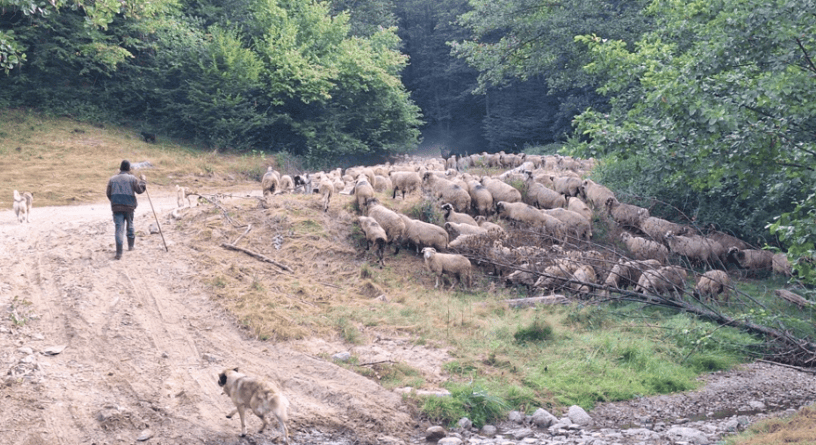
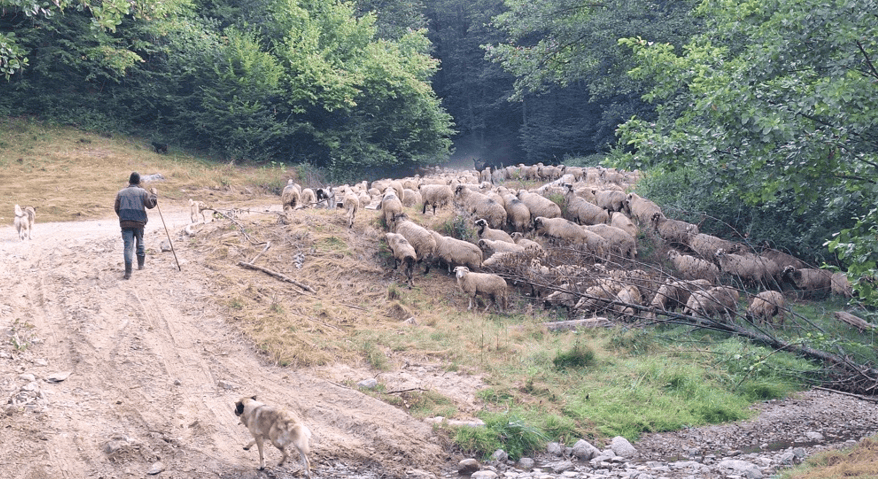
Economic conflicts are often more directly visible and experienced. People may worry that rewilding could threaten their livelihoods, for example through livestock losses caused by predators such as wolves or through flooding linked to river restoration. Value-based conflicts reflect different views about nature and how it should be managed. People may disagree on what landscapes should look like or what role humans should play in shaping them.
We also examined how the literature suggests addressing these challenges. A common finding is that successful rewilding requires careful attention to social factors and local circumstances. Understanding these conflict dimensions can help make future rewilding projects more socially just, inclusive, and appropriate for the communities in which they take place.

