By Liba Pejchar, Michelle García-Arroyo, Miguel Á. Gómez-Martínez, and Ian MacGregor-Fors
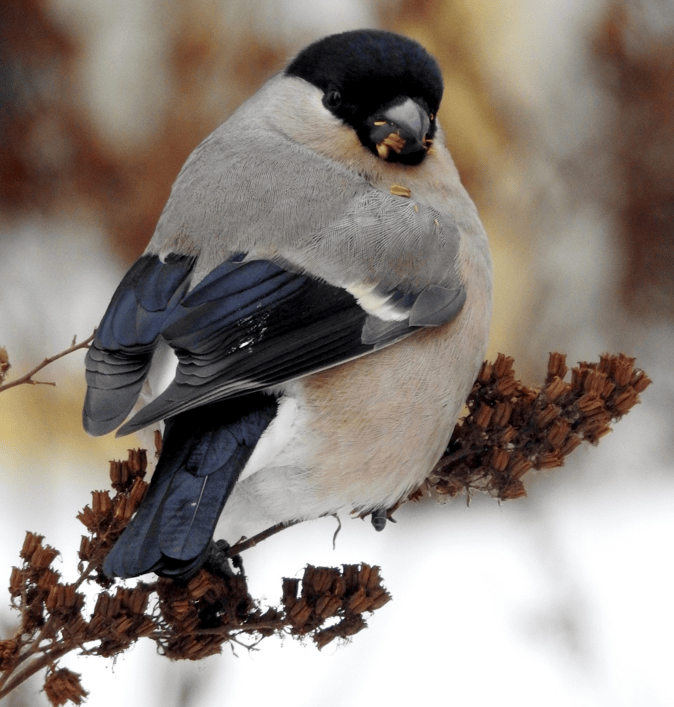
This Plain Language Summary is published in advance of the paper discussed. Please check back soon for a link to the full paper.
People encounter birds nearly every day. These encounters are particularly common in cities, which are now home to most people on earth. Birds can either benefit urban residents through activities such as pollinating flowers in gardens and singing beautifully, or they can cause harm by spreading disease or defecating in public parks. Understanding how people perceive birds could help decision-makers protect urban habitat for birds in ways that also provide benefits for people.
We surveyed people in a mid-sized city (Lahti, Finland) to ask them which bird activities they perceived as most beneficial or harmful, and to find out whether people with certain characteristics, for example, gender, age, level of education, had more positive or negative attitudes towards birds. We found that people overwhelmingly felt positively about birds. Women and older people most consistently agreed that birds provide benefits. However, people perceived birds with some characteristics, for example, larger size, as more harmful. People perceived other groups of birds, such as birds that are sensitive to human activities, as providing more benefits.
These results suggest that cities could improve habitat for species that people view favorably, which would be good for birds and enhance the benefits people receive from birds in cities. Cities might also try to reduce the negative impacts of birds or launch education and outreach programs to change attitudes where perceptions and reality differ. For example, birds people perceive negatively might be a nuisance but could also provide important but more subtle benefits to nature and people like controlling pests. Conducting similar surveys in other cities around the world could help us understand how perceptions of birds vary among places with diverse cultural and ecological conditions.

