By Catalina Mardones, Nerkez Opacin, Katherine Johnson, and Sarah Bekessy
This Plain Language Summary is published in advance of the paper discussed. Please check back soon for a link to the full paper.
People migrate for many reasons. Often they are looking for new opportunities. Of course, moving to a new country brings challenges in addition to opportunities. Adapting to a new culture, language and way of life, building new connections, and starting from zero can be lonely and stressful. This increases the likelihood of mental health issues among migrants. Yet access to mental health services isn’t always available.
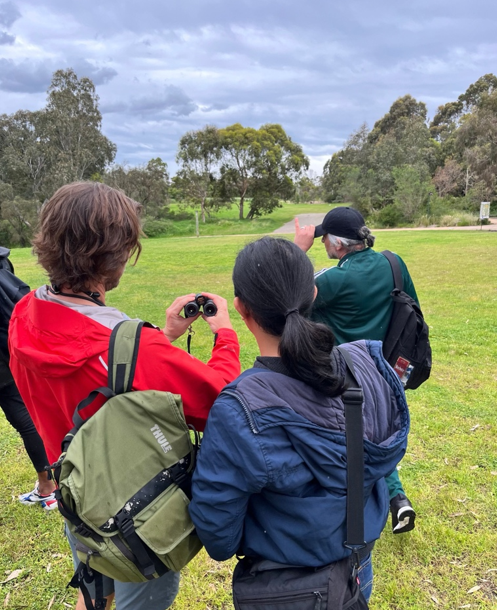
Access to nature in cities can help fill the mental-health-services gap. Spending time in nature—visiting parks, wetlands, urban forests or community gardens—can reduce stress and anxiety, lift mood, and give people a place to relax, enjoy themselves and meet others. To better understand this potential, we reviewed existing research on nature and wellbeing for migrant communities.
We found that migrants gain more stress relief and social contact through access to nature as compared to the general population. Green spaces play an important role in settling into a new country. These are spaces where people can maintain cultural traditions, such as practicing tai chi, cultivating traditional foods, or hosting community events, while also exploring their new surroundings and connecting with neighbours. This process helps them develop a sense of identity in their new home.
But problems also arise. Spending time in parks may be unfamiliar in some cultures, and people may not know how to use these spaces or what to look for. Migrants also often live where green spaces are scarce, poorly maintained, or feel unsafe, creating stress and avoidance rather than benefit.
Decisionmakers can reduce these barriers. Bringing new community members into planning decisions, recognising that nature means different things to different people (for example, a dense forest can feel beautiful to one person and threatening to another), sharing accessible information, and running activities that mix newcomers and long-term residents can all help migrants settle in and bring valuable diversity to the wider community.

