By Lara Sartorio Goncalves, Vitor Renck, Carolina Carvalho, Jezimara Vinhas, Jose da Cruz, and Leandra Goncalves
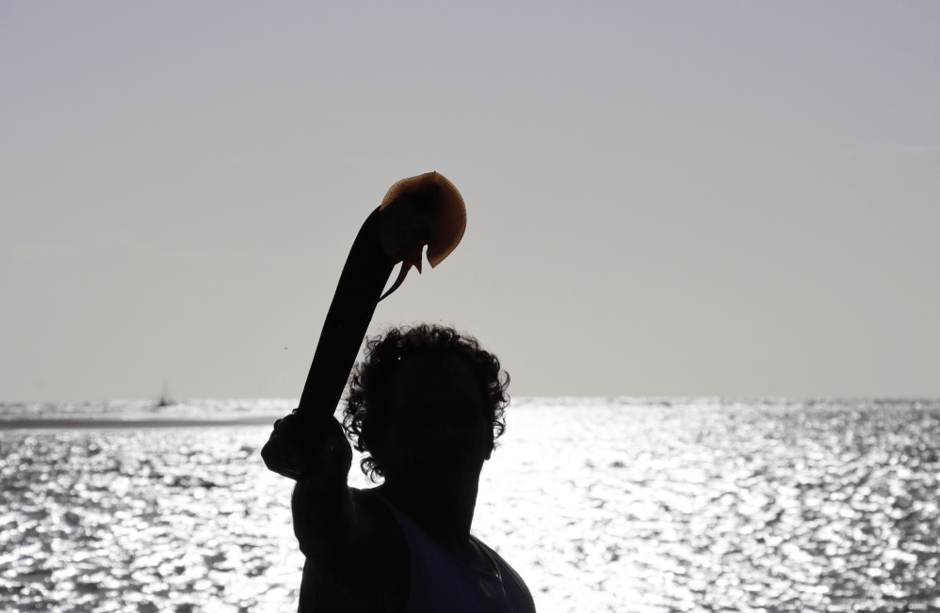
In Jubim, a traditional fishing community in the Brazilian Amazon, people and nature are bound together through relationships of belonging, care and interdependence. Rivers, mangroves, forests and tides organise livelihoods, mobility, social life and local knowledge, while the community’s practices of fishing, gathering and caring for the land and waters continually shape the maretório—a living territory where waters, land, people and ways of life are inseparable. Our study shows why recognising these reciprocal relationships is essential for understanding and protecting coastal environments.
To explore these relationships, we worked alongside community members using participatory mapping, interviews, walks through the territory, observation of everyday activities, and the documentation of locally used plants and animals. Combining these complementary methods allowed us to understand not only where important places are, but also how people experience, value and care for the maritory in their everyday lives.
We found that people do not experience nature as a collection of separate benefits. A mangrove, for example, is simultaneously a source of food and income, a place of work, protection against coastal erosion, and a space of memory, identity and belonging. Likewise, many plants and animals are valued not only for their practical uses but also for the knowledge, care and cultural practices they embody. These relationships became visible because community members mapped places, shared stories and reflected collectively on how their maritory has changed over time.
These findings contribute to the idea of Nature’s Contributions to People (NCP), a framework that helps describe how nature supports human wellbeing. Our study shows that, in practice, these contributions are not lived as separate categories but as interconnected relationships embedded in everyday life. Recognising this can help researchers and practitioners better understand how people experience, value and care for nature.
Although this research was carried out in one Amazonian community, its lessons reach beyond Jubim. By bringing together community knowledge, participatory research and the concept of maritory, our study offers an approach that can help researchers, practitioners and decision-makers better understand and support the diverse ways coastal communities live with, value and govern their environments.

