By Elisa Olivares Esquivel, Simone Farris, and Catherine Higham
Encouraging our communities to care for nature is not easy. Even if people appreciate animals or plants, this may not translate into caring actions. Previous studies have suggested this could be due to our lack of contact with nature, and people have proposed that more frequent positive contact with nature could help us to care more.
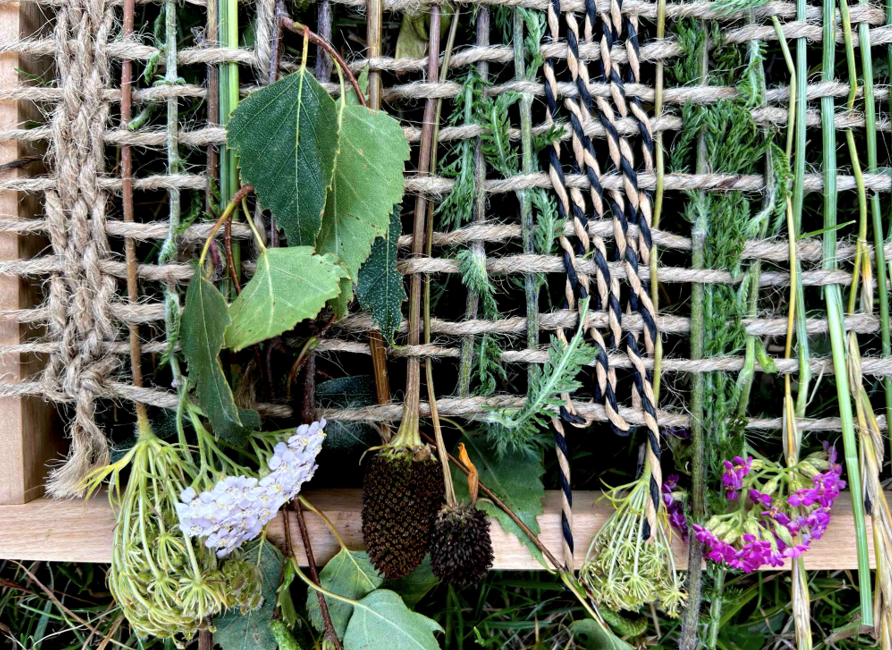
To explore this, in the summer of 2024 we planted 8 small perennial meadows in 4 public parks in the city of Sheffield, UK, and ran 16 workshops of citizen science and community art. During these workshops, adults and children counted insects visiting the flowers of the meadows, and experimented with watercolours, pencil drawings, sun prints, and weaving next to the meadows.
Key Findings:
During the sessions, participants expressed the positive feelings they experienced while learning about pollinators and making art, and described how the sessions were informative, creative, therapeutic and relaxing. People also enjoyed sharing time with other members of their community in these settings, making connections among them, and having a space to talk about their parks and nature in their city. These events helped them notice and discuss what they need to care for.
We also identified barriers to care. Some people found it difficult to care for nature due to a lack of time, money and other resources, and a lack of self-confidence and a sense of ownership.
Overall, this study highlights the benefits of making time and space for positive contact with local nature, learning new skills, sharing ideas and personal stories about nature with our communities, helps to foster the beginning of a caring attitude for our local environment and our communities.

