By Valeria Salvatori, Estelle Balian, Katrina Marsden, and Juliette C. Young
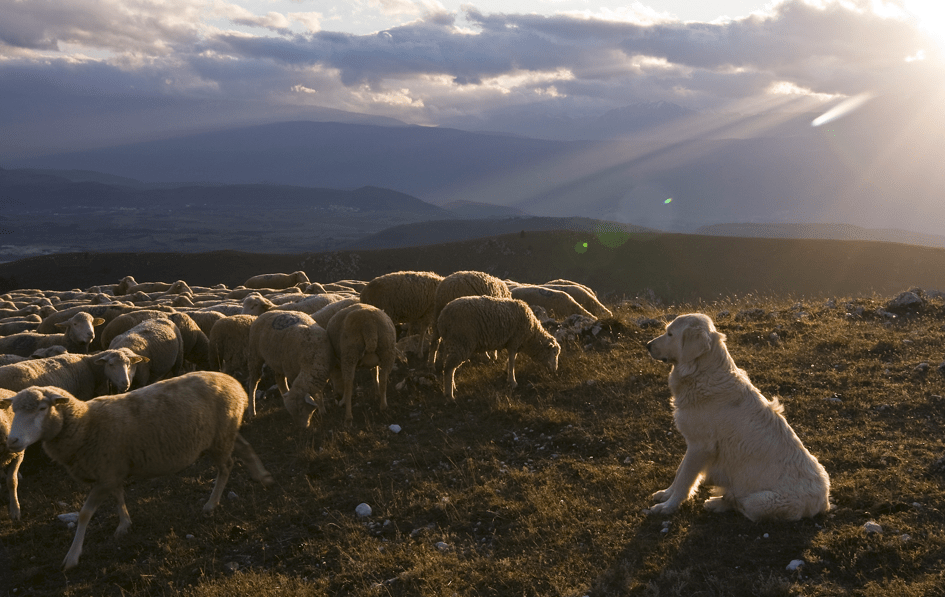
The return of large carnivores like wolves, bears, and lynx is a major conservation success for Europe. However, it can create a significant impact on pastoralism—a traditional way of farming that provides food, protects biodiversity, and preserves cultural heritage.
We interviewed 27 pastoralists across seven European regions (including Italy, Spain, Romania, and Scandinavia) to understand how the presence of these predators affects their lives and work.
Key Findings:
Most farmers reported a sharp increase in livestock attacks over the last five years.
Many observed that carnivores have lost their “wildness,” often attacking during the day or very close to villages and humans.
While farmers use fences and guard dogs, these measures aren’t always effective, and government support is often seen as insufficient: they report a struggle to cope.
Beyond the money lost, the study highlights a psychological crisis. Pastoralists feel stressed, frustrated, and “abandoned” by authorities. In places like Italy and Spain, over half of the farmers said they might quit entirely if management doesn’t change, meaning a centuries-old tradition could soon disappear.
Protecting nature shouldn’t mean losing the people who take care of the land. To mitigate this conflict, we need better management that supports both wildlife conservation and the social and emotional well-being of pastoral communities.

