By Shea McBride
Human activities are causing the rapid loss of global biodiversity, creating an urgent need to motivate behavioural change. People who feel more connected with nonhuman nature are more likely to act in ways that support biodiversity, and how connected people feel with nature depends in part on how meaningfully it is experienced within the built environment. Despite an increase in urban ‘greening’ measures, these approaches are typically motivated by the benefits that humans receive from such infrastructure – such as psychological restoration or improved air quality – while often overlooking how people perceive, interact with, and ultimately connect with nature. This article integrates insights from several research fields to advance a more relational approach to ‘greening’ cities that rejects dualist categorisations found in Western thought and often reflected in architecture and urban planning (e.g. mind-body, nature-culture, cities-wilderness). Instead, it emphasises that we are embodied, embedded beings and highlights the role of the body and senses in shaping how we think about and relate to the nonhuman world. In practice, this implies a shift in urban design from traditional approaches that focus on detached visual observation towards approaches that enable active multisensory engagement with biodiverse urban nature.
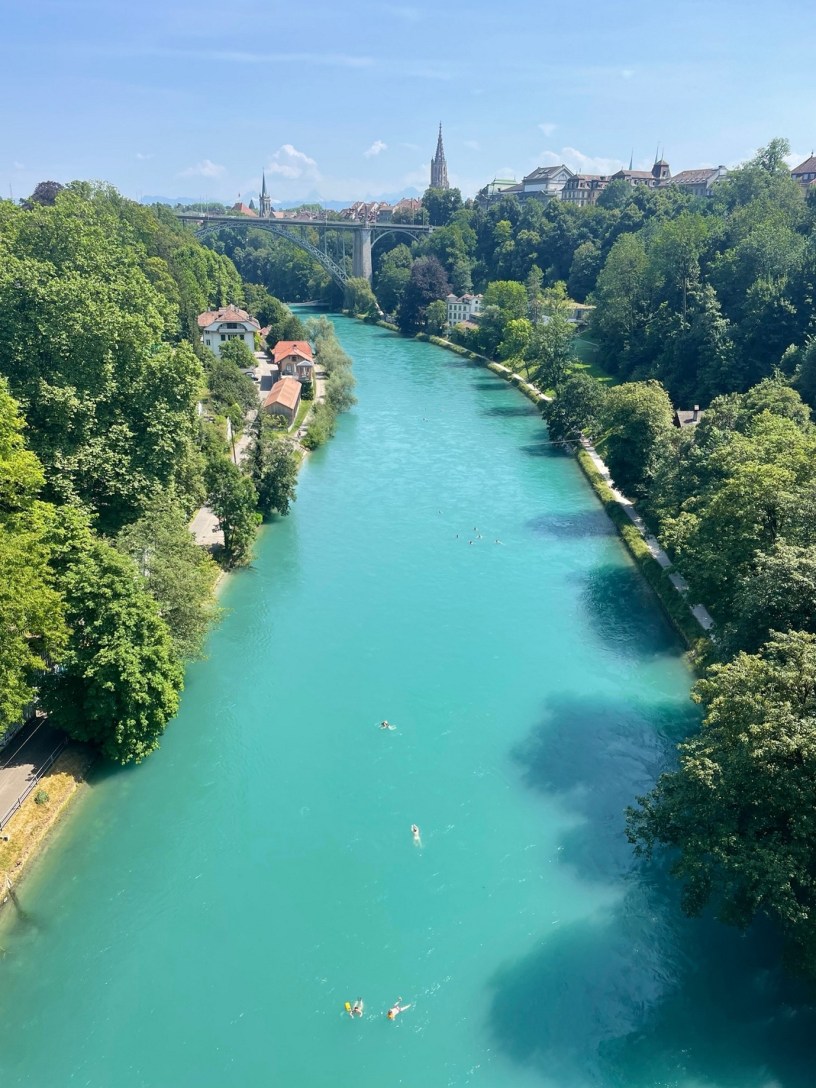
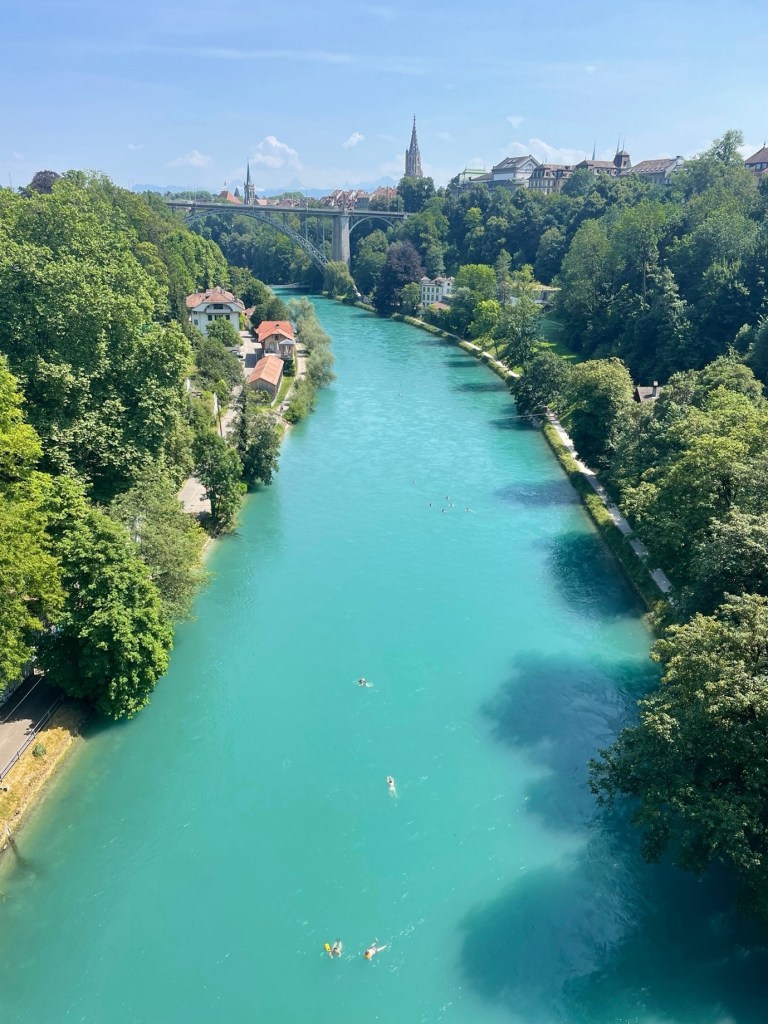
The article explores how such an approach might be realised. Examples of how urban spaces can promote meaningful, multisensory interactions with nature include climbable trees, fragrant and edible plants, and swimmable rivers. However, the potential opportunities for interacting with nature may go unnoticed, especially by those who do not feel particularly connected with nature. Therefore, in addition to creating more opportunities for engagement, the inclusion of design interventions that prompt people to notice, interact with, and learn about the nature around them is essential. The article highlights the need for future research to explore how different design strategies can enhance the quality of interactions with urban nature. Furthermore, it discusses the need to move beyond human-centric design approaches towards those that integrate the needs of other species in the design process, such as multispecies or biodiversity-inclusive design approaches. The embodied, relational perspective advanced in the paper complements such approaches. Rather than prescribing guidelines for designers, the paper offers a conceptual contribution intended to enrich the literature on nature connectedness, urban design and biodiversity planning.

