By Andrea C. Sánchez Bogado, Damien Beillouin, Natalia Estrada-Carmona, Cécile Chéron-Bessou, Bruno Rapidel, and Sarah K. Jones
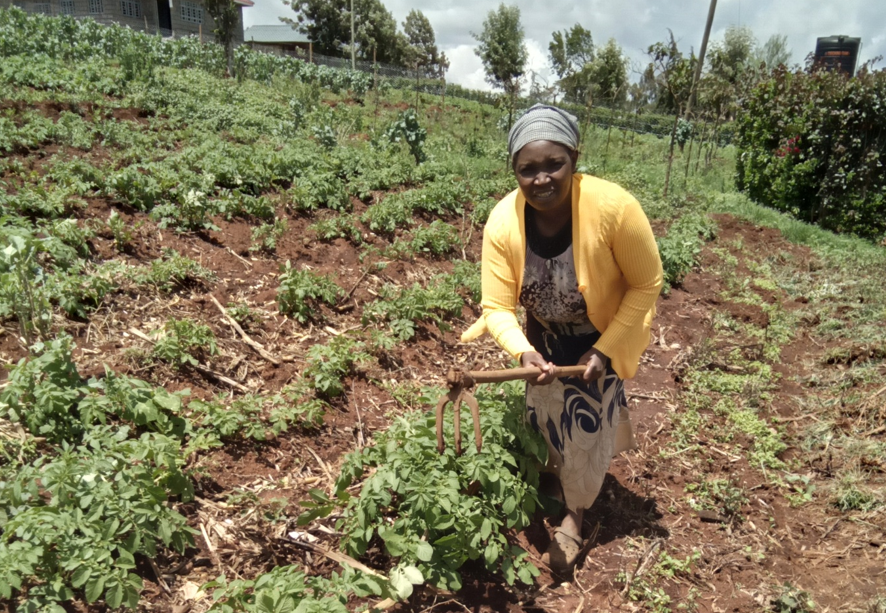
Photo credit: CGIAR Agroecology Initiative, Alliance of Bioversity International and CIAT (Kenya team).
Farmers around the world are encouraged to adopt more sustainable and diversified farming practices, but adoption remains uneven and often limited. We wanted to understand what shapes farmers’ decisions to use these practices. Our main finding is simple: although there is a lot of research, it is uneven and incomplete, which limits how useful it is for real-world decisions.
To explore this, we analysed 193 published studies from around the world. These studies examined how farmers diversify their farms, for example by growing trees with crops or combining crops and livestock, and what influences their decisions. We looked at whether farmers adopt these practices, but also at earlier stages (such as becoming aware or interested) and later stages (such as expanding or stopping their use).
We found that most research focuses on a single moment: whether farmers adopt a practice or not. Much less is known about how farmers first hear about these practices, what sparks their interest, or why they might stop using them. This is important because decisions are not one-off events; they unfold over time.
We also found important gaps in what researchers study. Many studies focus on farmers’ personal and economic characteristics, such as age, education, income, or land size. Far fewer examine the role of policies, markets, or social influences. In addition, some regions where these practices could work very well are still poorly studied. Without a more complete understanding of how decisions are made, policies and investments may miss key barriers or opportunities. Our work shows the need for research that looks at the full decision process and a wider range of influences. This can help governments, organisations, and practitioners design better support for farmers to build more resilient and sustainable food systems.

