By Aliyu Salisu Barau, Halima Abdulkadir Idris, Muhammad Nuraddeen Danjuma, Murtala Uba Muhammed, Abdulaziz Hassan, and Amina Abdullahi Sheikh
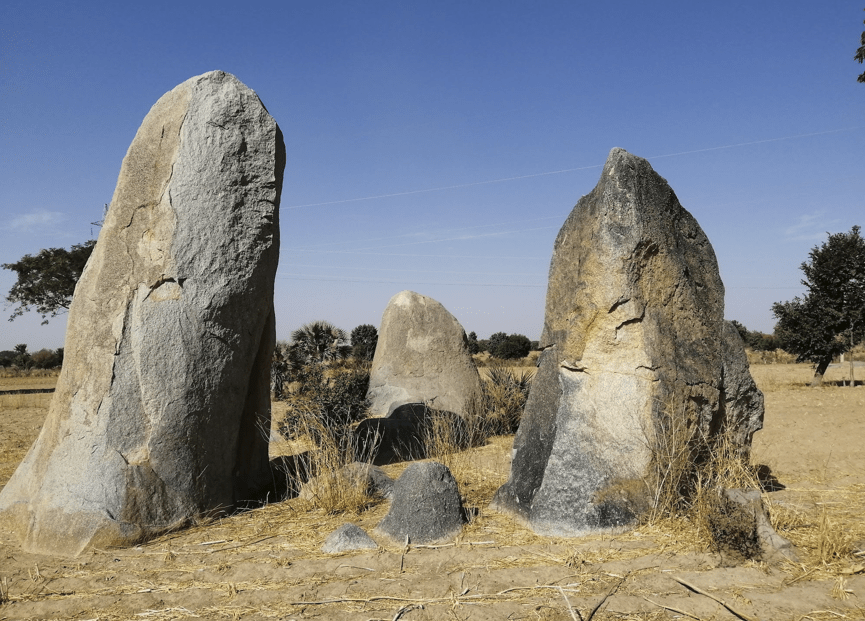
We grew up with great memories of African towns and cities that served as good templates of the friendly human-nature interface. Our cities were built with nature deep inside and everywhere elements of nature defined human activity and limits. Urban culture has existed in sub-Saharan Africa for centuries. The mud and thatch buildings, unpaved streets and tall native trees rising to skylines. The urban food and energy production and distribution systems were ecologically friendly. Our article explains the dynamics of the human-nature relations in Northern Nigerian cities in the light of rapid urbanisation. Urban culture started here many centuries before colonialism. Trade and organic products export extended up to the shores of Europe and Arabia.
The encounter with colonialism in this part of the world brought the so-called modernisation and urbanisation. Cities and towns started to change slowly in the 1960s and 1970. By 1980s and 1990s, more spatial and demographic expansions were witnessed with unprecedented pushback on nature and organic essence of urban space. Rather than slowly, rapid role back of nature escalated in most cities although with dire consequences. From increasing urban heat, biodiversity depletion, loss of open and green spaces which created never before known mass flood incidents.
Many thanks to previous research works, old maps of urban spaces and enthusiastic photographs of events and spaces. All these provide us with cogent evidence of how careless human development triggers climate and ecological crises. Nevertheless, as humans, we do have feelings and memories some of which never get documented through media and science.
Our article tries to close the gap by bringing together environmental experts where we curate our memories of ecological losses since when we were kids. We grew to become environmentalists and thus well-placed to incorporate our memories and nostalgias. In that way, we were able to make a good assessment of the changes that warrant to be called Anthropocene. The sheer extent of damages inflicted on once beautiful and organic urban landscapes more aware and wary of how to attain sustainability in and around African cities.

