By Risa Aria Schnebly and Ben Minteer
This Plain Language Summary is published in advance of the paper discussed. Please check back soon for a link to the full paper.
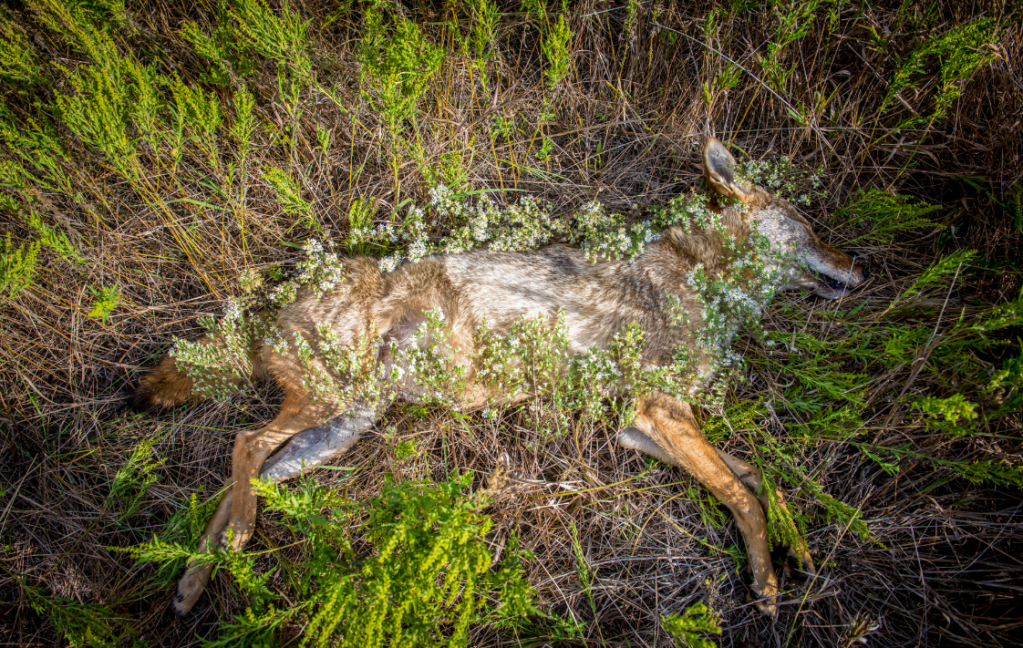
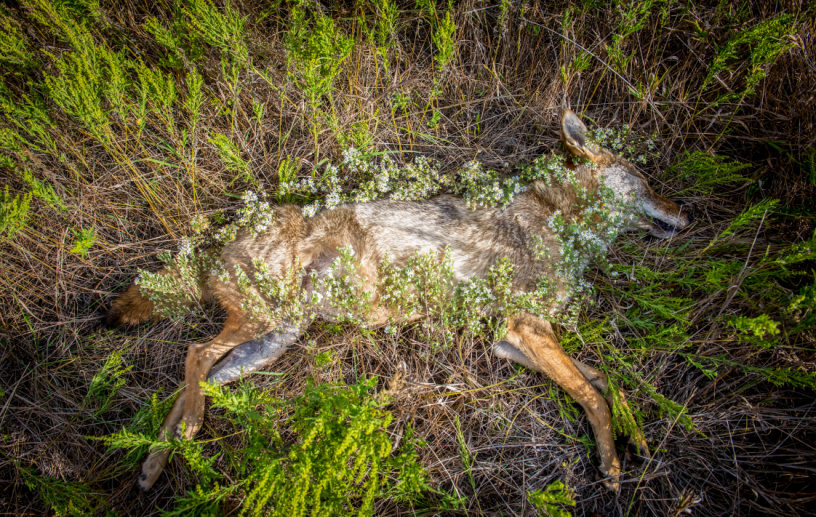
Wildlife conservationists often witness the loss of plants, animals, or ecosystems as part of their job. For many, that can be emotionally difficult. However, conservationists have historically been trained to remain detached from the species with which they work. That may be part of why discussions about emotions and mental health remain scarce in conservation spaces.
This paper aims to disrupt the absence of emotions and mental health in conservation by openly discussing and investigating the nature of conservationists’ grief in response to a variety of losses they commonly witness. We name three broad categories of losses that are likely to evoke grief: Personally Meaningful Loss, Directly Experienced Loss, and Existential Loss. Naming those experiences can help validate conservationists’ emotions and better support their wellbeing.

