By Maureen W. Kinyanjui, Sam Staddon, Florence K. Mwakaba, Jackson M. Mashanga, Rebecca Mwari, Joseph Bull, and Aidan Keane
This Plain Language Summary is published in advance of the paper discussed. Please check back soon for a link to the full paper.
For people living alongside elephants, coexistence is experienced through much more than the moments when elephants enter farms or homes. Our research shows how fear, grief, feelings of frustration and oppression, as well as empathy emerge through relationships between people, elephants, conservation organisations and a landscape increasingly affected by drought. These emotions linger and seep into everyday life, shaping how and when people move through their surroundings, make decisions about their livelihoods and families, and understand elephants and conservation.
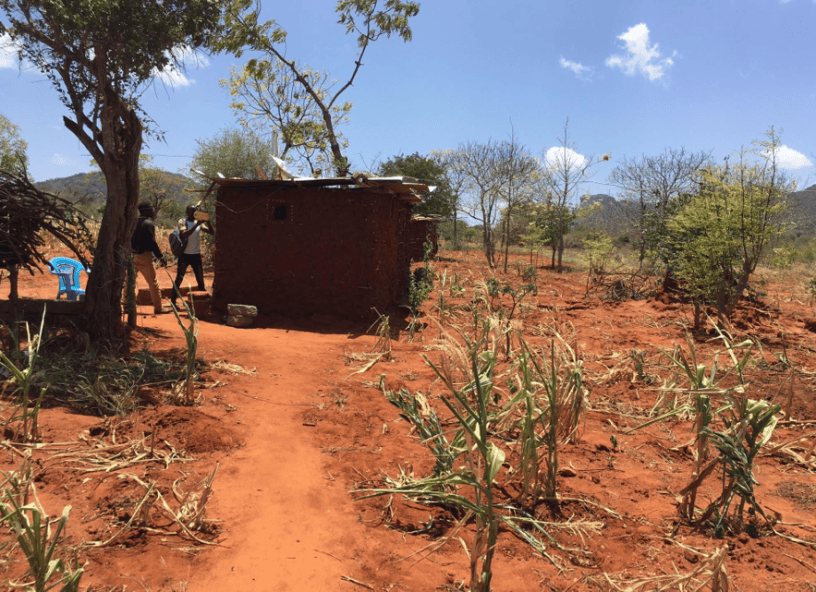
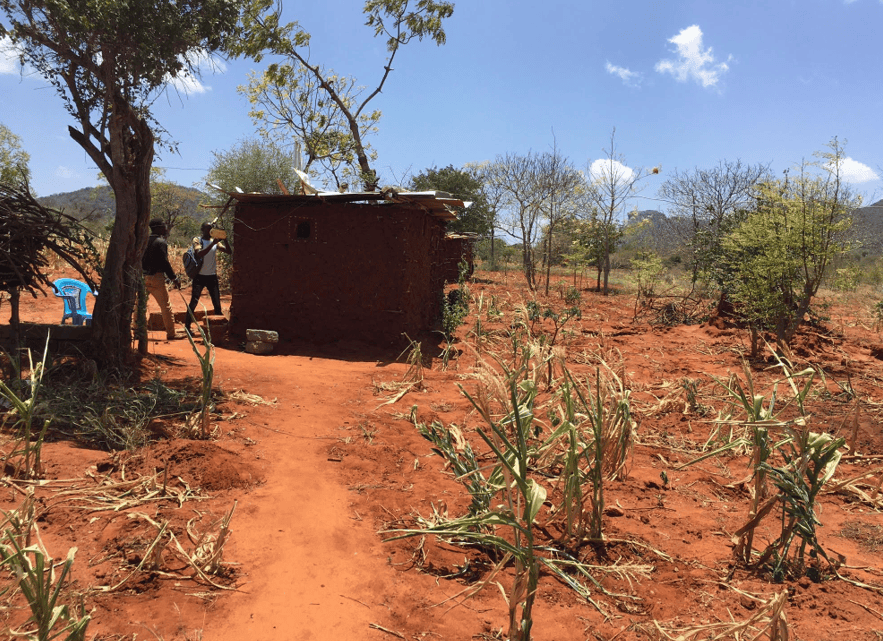
We carried out research in Sagalla, Kenya, where communities live close to Tsavo East National Park and regularly encounter elephants on farms, around homes and in community spaces. Between 2020 and 2023, we used interviews, focus groups and workshops to listen to people’s experiences of living with elephants and conservation efforts intended to support coexistence.
Participants spoke about fearing for their own lives and those of their children, the distress of elephants entering homes, and the frustration of repeatedly losing crops and livelihoods. Drought and growing livelihood insecurity made these experiences more difficult and participants described elephants as threats or enemies that affected their quality of life. Yet people’s feelings towards elephants were not fixed or always shaped by antagonism. Some participants expressed empathy when they saw them struggling during drought or caring for their young. In these moments of shared vulnerability, frustration shifted away from elephants towards conservation actors seen as failing both the community and elephants.
Participants described changing when and where they moved, taking on debt, burning charcoal when other livelihood options failed, and reconsidering marriage and having children. These adaptations could themselves reshape relationships with elephants, other community members and conservation organization, generating further emotional responses.
Our findings show why conservation needs to look beyond changing people’s behaviour or providing technical solutions and pay greater attention to power, politics and the histories that shape relationships between people, wildlife and conservation. Taking these lived experiences seriously can help explain why tension persist and why conservation interventions may be resisted, while helping build approaches to coexistence that are more just and reflect local realities and priorities.

