By Xiaotong Cai, Diogo Veríssimo, Chloe Yun Yi Tan, L. Roman Carrasco, Sifan Hu, and Amy Hinsley
This Plain Language Summary is published in advance of the paper discussed. Please check back soon for a link to the full paper.
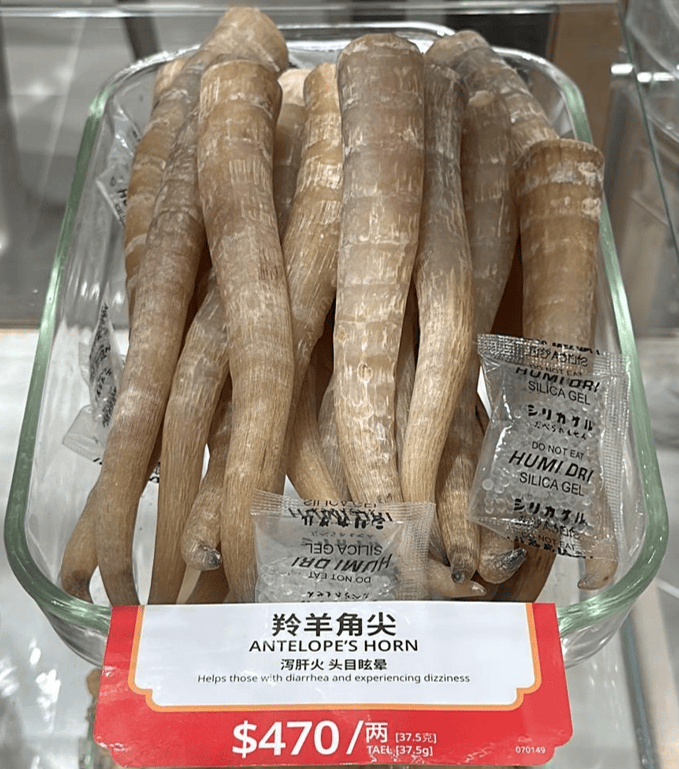
Saiga antelope are threatened because people hunt them for their horns. People use the horns in traditional Chinese medicine. We wanted to understand whether there was any way to reduce demand for the horn and therefore protect the antelope’s population.
We held focus group discussions and workshops with Chinese Singaporeans. We asked participants about their experiences and views on saiga horn, why people use it and how the COVID-19 pandemic affected its use. In the workshop, participants also helped develop practical ideas for reducing future demand.
We found that demand for saiga horn remained relatively stable after COVID-19. People continued to use saiga horn because of family recommendation, social network influence, beliefs in its effectiveness, and limited awareness that it comes from a threatened wild animal. At the same time, many participants were willing to use herbal remedies or biomedicines instead.
Our findings suggest that no single intervention would be enough to reduce demand. Future interventions could combine clearer information about wildlife products, acceptable alternatives, trusted social networks, community engagement, and government support. Importantly, involving consumers directly in designing these interventions may help make them more relevant to local beliefs and practices. As saiga conservation and trade continue to change, further research is needed to understand how consumers can be given clear information that support legal, sustainable, and informed choices.

