By Philip A. Loring and Miguel Sioui
For decades, fields such as conservation and environmental management have started from the troubling assumption that people are, by nature, bad for the environment. That unless otherwise constrained, our self-serving impulses invariably lead to collapsed resources and degraded ecosystems. And if you are looking only at humanity’s recent history, this assumption appears to hold up. But as we explore in this piece, the assumption that people are bad for nature rests on scant evidence. We argue that the reverse is true. Our ability to steward nature, not harm it, is one of our species’ defining features.
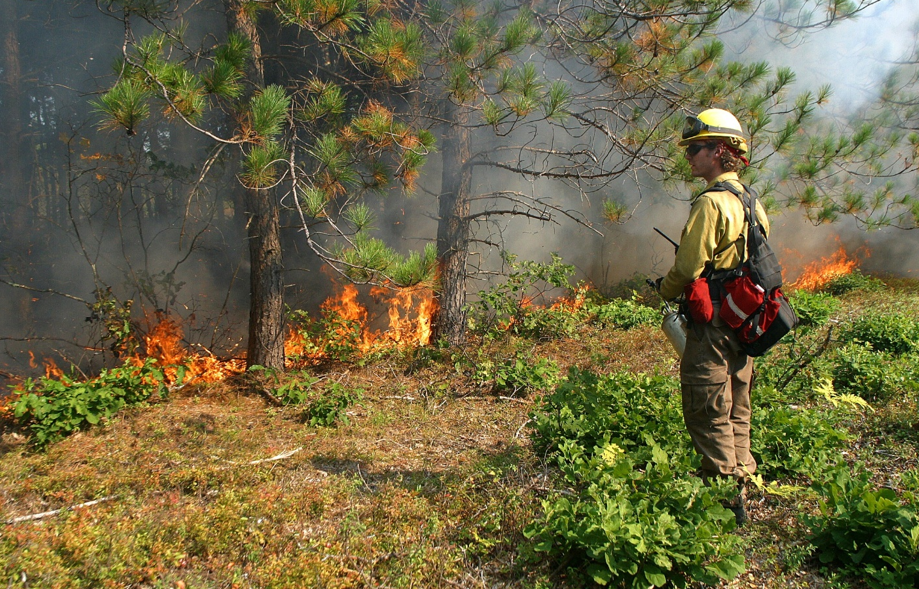
Experts across fields and knowledge systems have established that people shaped many of the places often regarded as “pristine” and “untouched.” Humans have a demonstrated tendency toward cooperation and the ability to adapt our norms and institutions to local ecological circumstances and cycles. The literature is replete with examples of effective and durable, including cultural burning to diverse forms of agriculture and aquaculture, stewardship.
Evidence also shows that contemporary environmental problems—collapsed fisheries, overgrazed landscapes, climate change—are products of specific, diagnosable social and political arrangements, not an inevitable outcome of human nature. Fields like conservation inherited flawed and racist assumptions from the likes of Garrett Hardin and Thomas Malthus, which were borne not of data but thought experiments which the anxieties and racial politics of their eras shaped. These thought experiments excuse the real drivers of the overlapping global environmental crises. The real drivers are settler colonialism, extractive industrial capitalism, and the deliberate dismantling of Indigenous and local governance systems.
We are not essentializing, claiming that people unfettered from forces like capitalism will always act in sustainable and just ways. We are arguing, based on diverse evidence, that humanity has a capacity for effective stewardship. Given that capacity, the question shifts from how we mitigate human failings to how we unlock human potential.
The practical implications are that we need to redouble our investments in the social and political conditions — inclusive governance, land rights, cultural knowledge — that allow people’s stewardship capacities to flourish. The good news is that this reframing is already well underway. We conclude our paper with an overview of frameworks and institutions that are adopting this alternative paradigm.

