By Dr. Theo Stanley
Rewilding is an approach to nature restoration which focuses on reinstating natural processes to damaged landscapes. People have long labelled rewilding a romantic pursuit: it has largely been reserved for landowners and charities with the time, money, and access required to do rewilding work, which rarely generates a financial return.
But this is changing. In recent years, entrepreneurs, governments, and investors have begun to frame rewilding as an increasingly lucrative industry. Across Scotland, a wave of new companies and landlords have purchased estates to restore nature. By doing so, they can store carbon in soils and forests, increase biodiversity, and then generate carbon and biodiversity credits to sell at a profit. Simultaneously, tech start-ups have developed cutting-edge scientific tools to measure ecological change in very precise ways, which demonstrate the benefits of rewilding.
This article introduces the concept of “technical wildness” to describe how rewilding is changing with new technologies and private investment. Technical wildness mixes together two powerful but very different environmental traditions. The modern tradition, which has its roots in the Enlightenment, frames nature as something people can improve, measure, and make productive. The romantic tradition, by contrast, values wildness, scenic landscapes, iconic species, and emotional connections to nature.
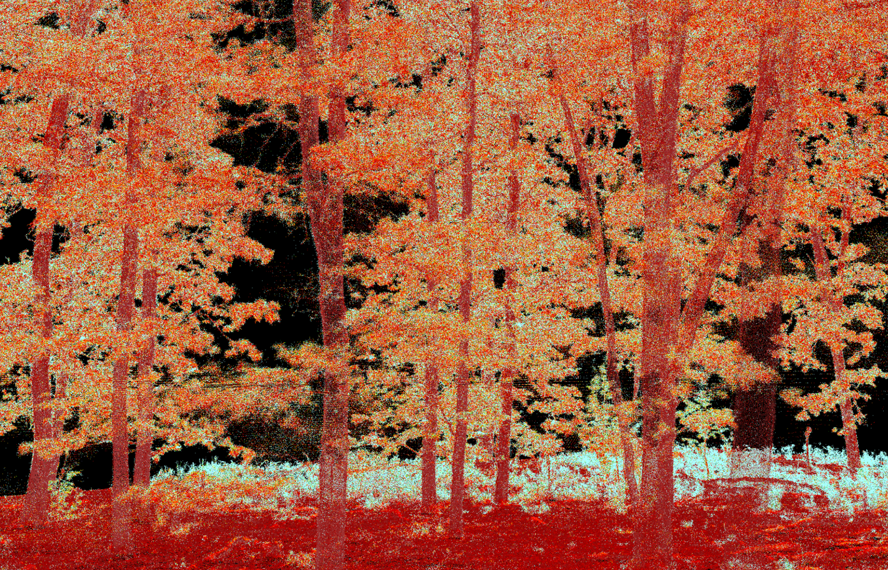
In websites, reports, and promotional materials, rewilding companies pair dramatic images of Highland wildlife and landscapes with highly technical visualisations and impressive numerical data about carbon, biodiversity, and ecological change. This integrates elements of the modern and the romantic traditions.
The article shows how this narrative helps build trust in private rewilding companies, enabling them to sell high‑value “wild carbon” credits and attract financial investment. But it also changes what rewilding is, how it is done, and who benefits from it. Smaller NGOs and community groups may struggle to keep up with the expertise and resources required to participate. Meanwhile, rewilders might be forced to prioritise strategies which maximise financial value ahead of ecological improvement. Ultimately, technical wildness is more than just a new environmental aesthetic; it actively shapes which ecosystems people restore. As digital technologies and natural capital markets grow in influence, they will increasingly define the future of rewilding – in Scotland and beyond.

