By Melissa M. Norberg, Shanara Visvalingam, Richard J. Stevenson, and Supreet Saluja
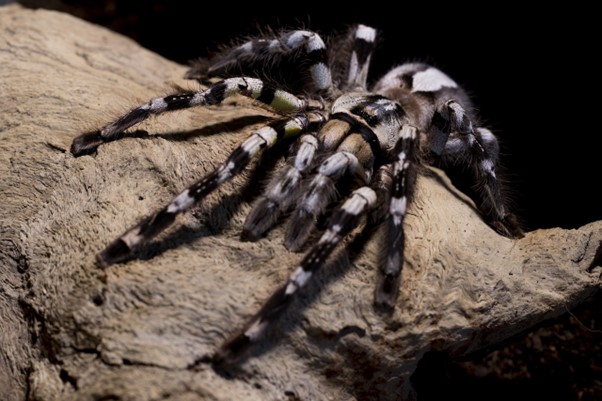
Biophobia is the fear of living things and involves avoiding nature. It’s similar to animal phobia, in which people avoid small animals, insects, and reptiles. There hasn’t been much research on biophobia, so we looked at studies on animal phobias to learn more.
Our review found that all phobias involve fear and anxiety, but that some animals can also make people feel disgusted. Some animals trigger disgust because of their body parts or behaviour. These characteristics can fuel worries about contamination, which can lead to anxiety and fear.
People experience animal phobias because of a combination of genetics and environmental factors. Individuals who inherit a tendency to be distressed by new situations or by disgust are more likely to develop an animal phobia than those who do not. Environmental factors include experiencing or witnessing an animal attack, hearing that animals are dangerous, dealing with daily hassles and major negative life events, always looking for signs of danger, and perceiving ambiguous situations as dangerous.
Once a phobia develops, people’s expectations and actions keep it going. People who experience an animal phobia often overestimate the likelihood that the animal will attack them and overestimate the costs of the attack. These overestimates increase fear and encourage avoidance. Avoiding the animal might make them feel better in the short term, but it makes the fear last longer. They never learn that their fears are exaggerated, so the animal continues to scare them.
Experts have used exposure therapy for over 50 years to treat animal phobias. It works better than any other treatment. Although it does not help everyone, research has told us that in many cases, this may be due to how exposure therapy was done. Exposure therapy needs to be administered in a way that takes into account what maintains animal phobias as well as how we learn new things that contradict our earlier ideas.
Given the extensive overlap between animal phobia and biophobia, these same findings likely apply to biphobia. Thus, we encourage readers to use this information to spark research and treatment ideas for biophobia.

