By Isabelle Kortland and Amy Hinsley
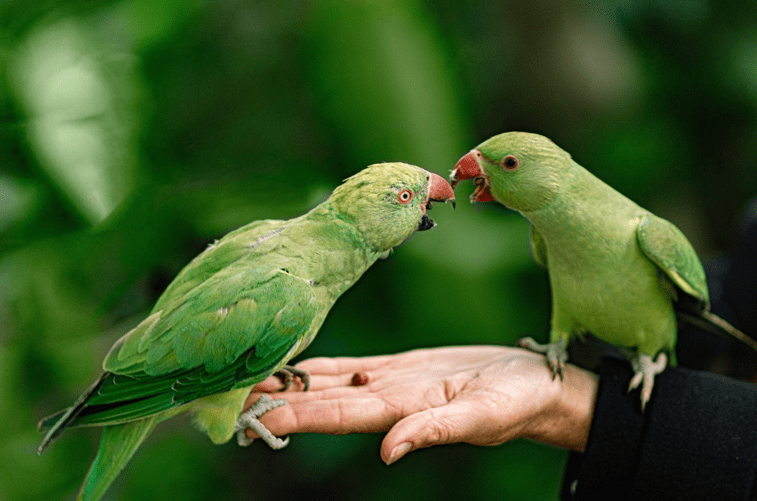
The trade in exotic pets is common and must be well regulated to avoid negative effects for people’s livelihoods and for biodiversity. CITES is an international agreement with 185 parties which aims to ensure the trade of species is sustainable and does not harm the natural population. The CITES Convention currently works by listing species in trade under three different appendices with increasing degrees of control (Appendix I containing species whose trade is highly regulated to Appendix III containing species whose trade is somewhat regulated). Since the 1980s a new approach to CITES, commonly known as “Reverse Listing”, was suggested which would ban the trade of all species unless proven that their trade is sustainable, whereas they would be added to a “positive list”. This potential change has been debated since.
In this study we looked closer into the potential effects a Reverse Listing might have on the exotic pet trade and the reasons why a Reverse Listing hasn’t yet been implemented. We focused on six key topics often mentioned in exotic pet trade research: zoonoses (diseases transmitted from animals to humans), invasive species, animal welfare, people’s livelihoods, sustainable harvesting, and legal trade. We asked experts to estimate how a Reverse Listing would affect these areas and coordinated a discussion in between two rounds of questions to explore the different opinions. We found that opinions differed significantly, particularly on how Reverse Listing would affect legal trade, sustainability, and livelihoods. The majority seemed worried that a Reverse Listing would lead to more illegal trade, harming both wildlife and the people who rely on the legal pet trade for income.
We also found that there is a huge lack of clarity on how a Reverse Listing would work, which makes it hard for people to agree on whether to maintain the status quo or adopt the new Reverse Listing approach. We suggest that the goals and rules of a Reverse Listing under CITES should be made clear, which would help improve research and support better decisions in managing the exotic pet trade in the future.
 Relational Thinking