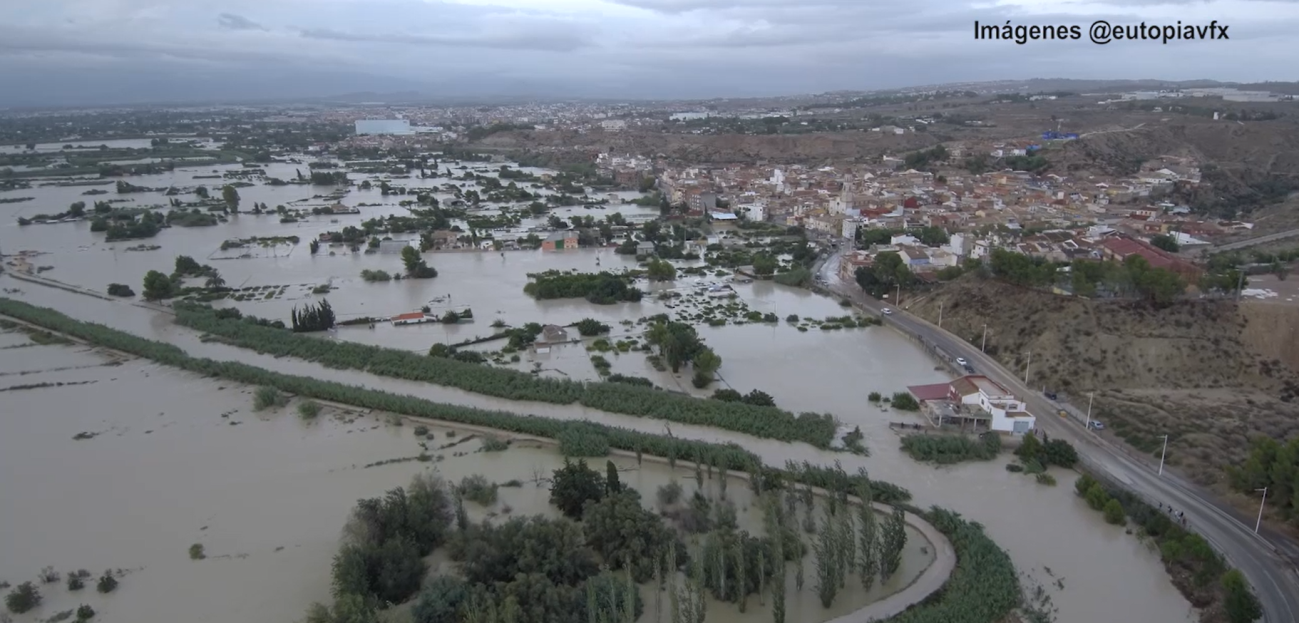
(© Miguel Carballal)
By Raquel Luján Soto, Carolina Boix-Fayos , and Joris de Vente.
Floods and droughts are becoming more frequent and severe in the Mediterranean region due to climate change. One promising way to deal with these problems is through Nature-Based Solutions (NBS)—approaches that work with nature rather than against it. NBS include planting trees, restoring rivers, and protecting floodplains. NBS are often cost-effective and provide added benefits like cleaner water, more wildlife, and more resilient local communities. Despite their advantages, NBS are still not widely used. One major underlying reason is the lack of real-world evidence on how well they work, especially regarding droughts. Another reason is that putting them into practice can be difficult because of high costs, complex land ownership issues, and limited political or public support.
Our study collected expert views on NBS’ effectiveness and feasibility in the Segura River basin in southeast Spain—a region often hit by both floods and droughts, and representative of much of the Mediterranean region. Experts said that reforesting upstream areas and restoring rivers and floodplains are the most effective strategies to adapt and mitigate to extreme weather events. However, they also pointed out that restoring rivers and floodplains is the hardest to carry out, mainly because it may involve buying private land, facing social and political resistance, and it requires significant funding. Experts were more confident in NBS reducing floods than helping with droughts. To increase the use of NBS, experts called for stronger political leadership, better training for decision-makers and farmers, more investment, and greater involvement of local communities. Although there are already laws in place that support NBS, they are often not well enforced. Government departments and agencies also do not always work together effectively, which slows progress.
For NBS to become an effective solution to climate challenges in the Mediterranean region, we need better coordination between administrations, more funding, demonstration of effectiveness, and active community involvement in NBS design and implementation.
 Relational Thinking