By Torsten Krause, Mairon G. Bastos Lima, Jesica López, Karolin Obert, Juan A. Samper, and Ana Maria Vargas
This Plain Language Summary is published in advance of the paper discussed. Please check back soon for a link to the full paper.
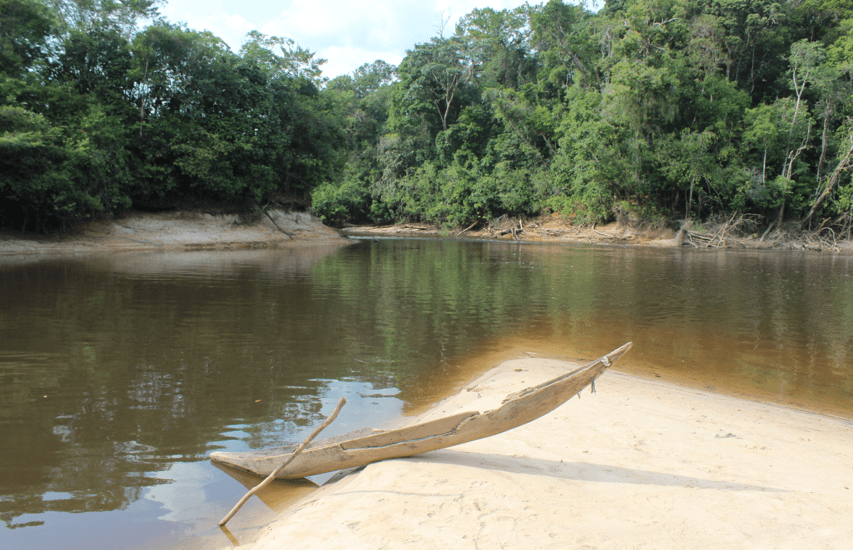
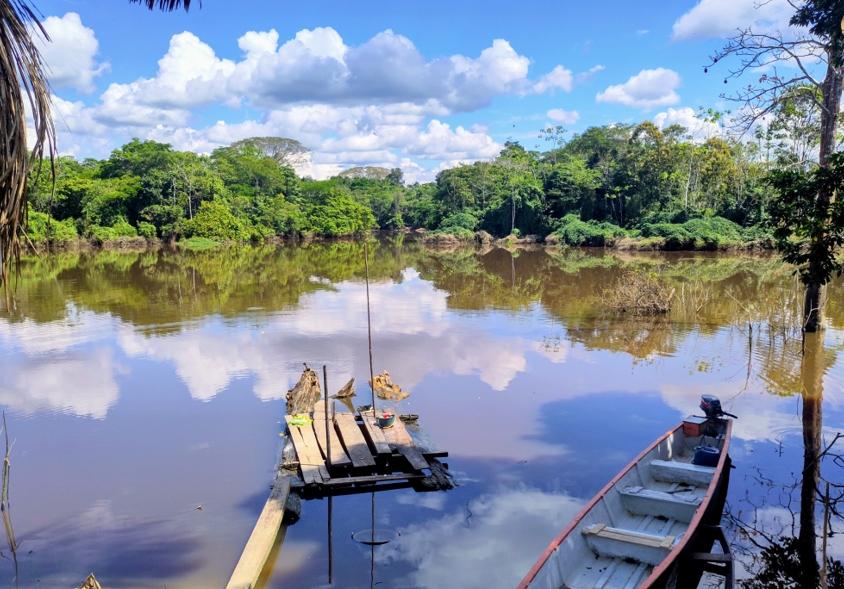
The Amazon rainforests are home to incredible diversity of cultures, communities and languages and harbour an astonishing number of different species of wildlife and plants. But these forests are also at risk because of deforestation, forest damage, loss of species, and climate change. With people converting more forests to plantations where they grow products for global trade, we are bringing the Amazon closer to a dangerous tipping point where it may change from evergreen dense forests to savannah. This problem of deforestation and the loss of biodiversity gets a lot of political and public attention. But another serious and related problem gets far less notice: the fast loss of Indigenous cultures. This includes disappearing Indigenous languages, erosion and loss of indigenous and local knowledge systems, and the breakdown of traditional ways of life and uses of the forests, trees, fish and wildlife. Organized criminal groups and illegal economies that spread violence and destruction through the region and force communities out of their lands and territories make these problems worse.
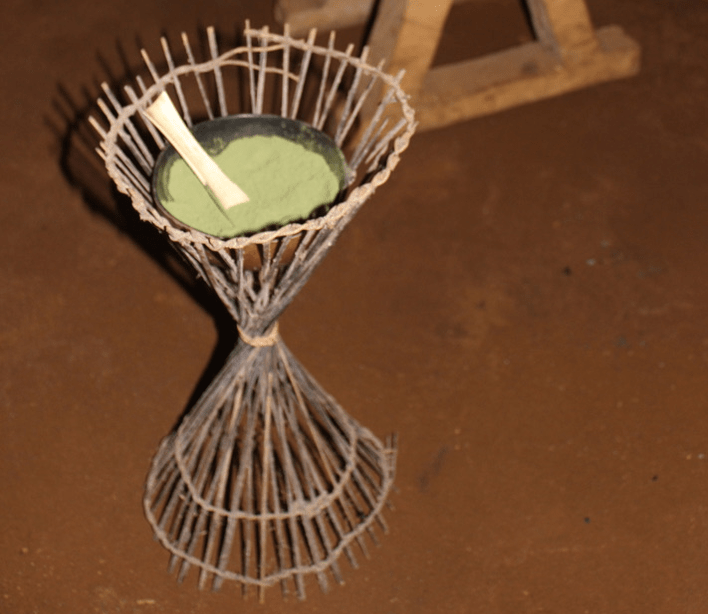
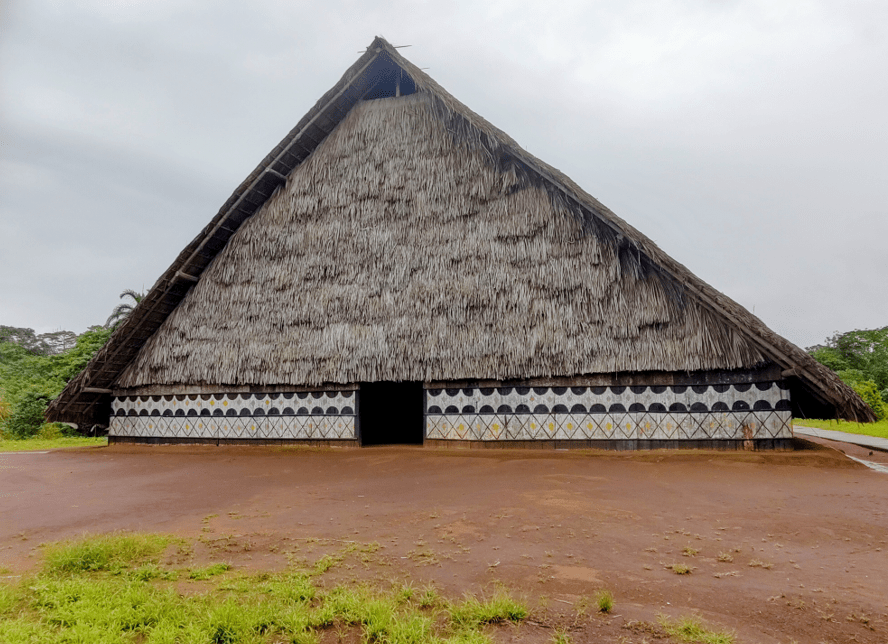
In order to truly solve the crisis that is unfolding in the Amazon, we must think holistically and connect what is happening in the Amazon to larger global structures of extraction that are part of economic supply chains and drive deforestation and violence in the Amazon. Thinking holistically also means that we must understand, respect and work with local communities and their different Indigenous and local knowledge systems to create fair, locally grounded solutions. The Amazon is a “living pluriverse”—a place made up of many worldviews, languages, laws, and where people have many traditional ways of interacting with the environment. We argue that effective climate and biodiversity policies must also understand and include this biocultural diversity, strengthen territorial rights and local governance. Only then can we enhance the well-being of its peoples and protect the rainforest.
 Relational Thinking