In celebration of the shortlisted papers for the Rachel Carson Prize 2025 for Early Career Researchers, we’re delighted to introduce you to some of our shortlisted individuals and papers.
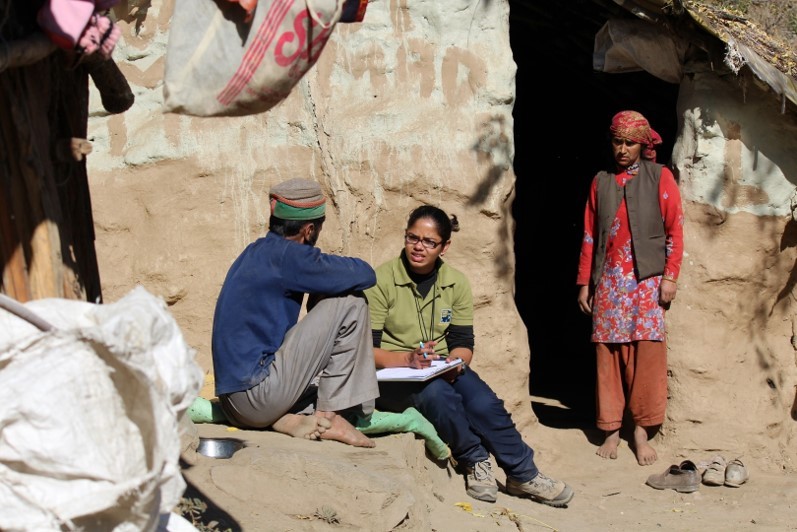
SHWETA SHIVAKUMAR (She/her)
Read Shweta’s shortlisted paper: ‘Stories of coexistence: A narrative inquiry of leopard attacks on people‘.
About the paper:
What is your shortlisted paper about, and what are you seeking to answer with your research?
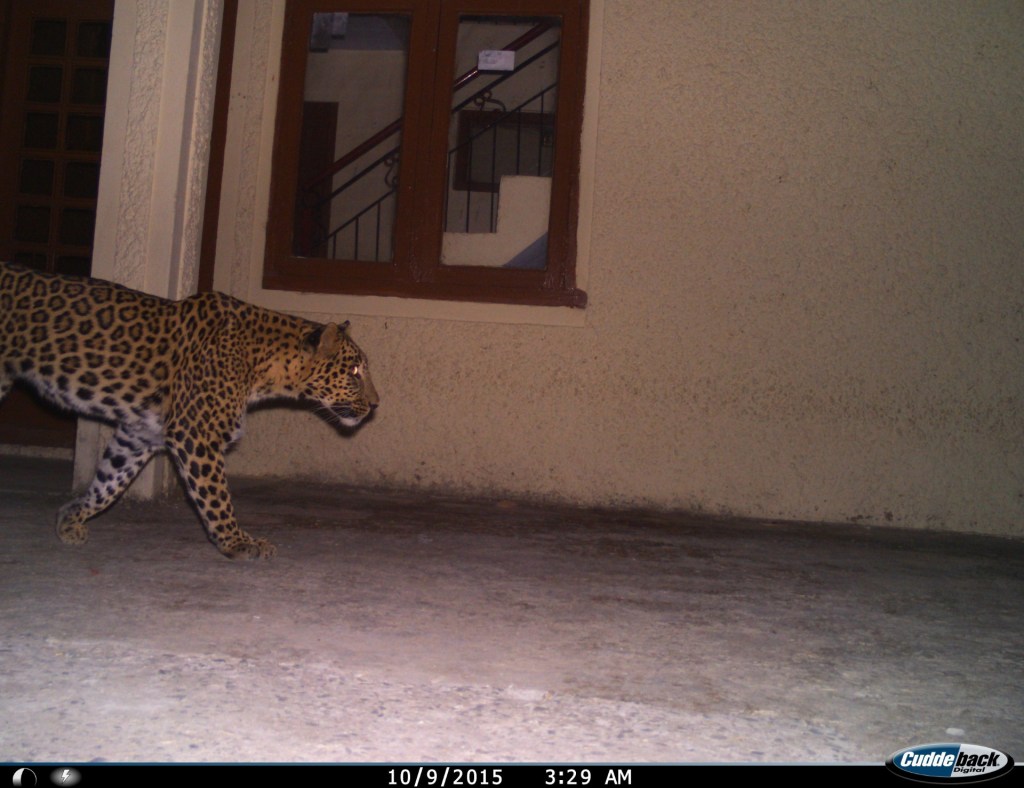
Globally, human-wildlife conflict, especially with carnivores is mostly about livestock attacks. But, in Asia and Africa, many people experience direct encounters and sustain injuries or even die due to these encounters. This paper represents 89 ground narratives of experiential encounters between people and leopards of Himachal Pradesh India. Through this documentation and subsequent narrative inquiry, we arrived at a deeper understanding of coexistence with a carnivore attributed with human casualties. Our aim was to understand subjective framing of the leopard encounter incident by experiencers, parse the narrative elements of each story, and connect these stories to the broader implications of coexistence.
आपके द्वारा किये गए शोध पर आधारित लेख पुरस्कार के लिए नामांकित किया गया है। इस शोध का उद्देश्य क्या था?
दुनिया में मानव-वन्यजीव संघर्ष की अधिकतर घटनाएँ परभक्षी जीवों द्वारा मवेशियों पर किये गए हमलों की होती हैं। परन्तु एशिया व अफ्रीका में मनुष्यों पर हिंसक जानवरों द्वारा जानलेवा हमलों की घटनाएँ भी बड़ी मात्रा में होती हैं। शोध के अंतर्गत हमने भारत के हिमाचल प्रदेश में घटी मानवों व तेंदुओं के बीच संघर्ष की ८९ गंभीर घटनाओं का संकलन किया। अध्ययन द्वारा हमने मानव-वन्यजीव सह-अस्तित्व के परिपेक्ष्य में उन घटनाओं को गहराई से समझने का प्रयास किया जो लोगों के लिए घातक सिद्ध हुईं थी। हमने ऐसी घटनाओं से संबंधित व्यक्तिगत अनुभवों, उल्लाखों और किंवदंतियों के विवरणों को एकत्रित कर इस समस्या का समग्र विश्लेषण करने का प्रयत्न किया।
Were you surprised by anything when working on it? Did you have any challenges to overcome?
Overall, the fieldwork component of this research was challenging purely due to the stories of the sometimes-horrific encounters and the aftermath, shared by the respondents. They were raw and needed quick emotional acuity, which I developed only when faced with such challenging scenarios, for instance, interviewing a parent who lost their child. However, I was also surprised by the level of empathy expressed by the larger community, towards leopards attributed to less grievous injuries, almost to the extent of humanizing and rationalizing the behaviour demonstrated by the leopards. It was truly a masterclass in coexistence mechanisms.
क्या शोध कार्य के दौरान आपके सामने कोई चौंका देने वाला वाकया आया? आपको किन चुनौतियों से निपटना पड़ा?
कुल मिलाकर इस शोध का सबसे चुनौतीपूर्ण काम मानव-वन्यजीव संघर्ष के पीड़ितों और उनके परिजनों से साक्षात्कार करना था, क्योंकि इस प्रक्रिया के दौरान हमें कई दर्दभरे और दिल दहला देने वाले अनुभवों से रूबरू होना पड़ा। मसलन, एक ऐसी माँ से बात करना, जिसने तेंदुए से संघर्ष में अपनी औलाद खो दी हो, एक बहुत भावुक करने वाला वाकया था। ऐसे किस्सों को निष्पक्षता से गृहण करने के लिए में हमें गहन संवेदना और मानसिक संयम जुटाना पड़ा। एक आश्चर्यजनक बात यह भी थी कि कम गंभीरता वाले हादसों के संदर्भ में समुदायों के अंदर हिंसक तेंदुओं के लिए काफ़ी सहानुभूति देखने को मिली। इन सभी से हमें मानव-वन्यजीव सह-अस्तित्व के विषय में बहुत कुछ सीखने को मिला।
What is the next step in this field going to be?
As next steps, one of the practical applications of this research could be to develop a therapy tool that addresses the lasting mental impacts of carnivore encounters. Another application could be to develop personal protective equipment, that ensures human safety when suddenly faced with a leopard. It would be ideal if these tools were to be co-developed with the people who are at the frontlines, experiencing these encounters every day. Additionally, we could construct meaningful awareness programs on living with leopards safely using lived stories, which showcase the social cohesion forces such as family, bravery, self-reliance and community support. Such programs might resonate with the community better.
इस विषय पर अगला कदम क्या होना चाहिए?
इस काम का अगला चरण यह हो सकता है कि शोध के उत्पन्न हुई जानकारी का प्रयोग मनोचिकित्सकों द्वारा संघर्ष पीड़ितों का उपचार करने के लिए उपयुक्त विधियाँ विकसित करने में करें। हमारे शोध का उपयोग प्रभावित समुदायों के लिए कारगर सुरक्षा सामग्री बनाने हेतु भी किया जा सकता है जिससे तेंदुओं के आकस्मिक हमलों की गहनता में कमी हो पाए। इसके अतिरिक्त, हमारे शोध के परिणाम तेंदुओं से संघर्ष के बारे में जागरूकता कार्यक्रमों में प्रभावित समुदायों के वास्तविक अनुभवों, व्यावहारिक सुझावों और स्थानीय परिप्रेक्ष्य को शामिल करके उन्हें और प्रभावी बनाने में सहायता कर सकते हैं।
What are the broader impacts or implications of your research for policy or practice?
At a broader level, the narrative inquiry tool used in this study could be applied to any other human-wildlife encounter scenario, even positive ones, to parse aspects of conflict and coexistence integral for conservation intervention. For instance, in this study region, we found a possible lack of people seeking medical attention post-attack and irregularities in ex-gratia payments from the government and an overall positive disposition towards leopards. These elements inform focus of awareness programs, government protocols and tonality of conflict messaging in this state.
आपके शोध के नीतिगत व व्यावहारिक प्रभाव क्या हैं?
मोटे तौर पर हमारे शोध में प्रयोग की गई विधियाँ भविष्य में अन्य स्थानों पर भी मानव वन्यजीव संघर्ष की समस्याओं को समझने और उनसे निपटने में लाभकारी होंगी, जिससे संभवतः संरक्षण के लिए उचित रणनीतियाँ नियोजित करने में मदद मिलेगी। उदाहरण के लिए, हमने पाया कि संघर्ष की घटनाओं के बाद लोगों को चिकित्सा सुविधाएँ तथा मुआवजा प्राप्त करने में कमियाँ थीं। इन बातों का संज्ञान जागरूकता कार्यक्रमों को कारगर बनाने व संघर्ष की घटनाओं से संबंधित उपयुक्त कार्यप्रणाली स्थापित करने में लिया जा सकता है।
About the author:
लेखक का परिचय
How did you get involved in ecology?
I have been fascinated by wildlife and field research since the time I took up microbiology as part of my bachelor’s degree. Over the course of my education, I developed a deep interest in working with animals, having realized that I did not want to work on anything that was microscopic, in a laboratory, and unfeeling. This interest pushed me to explore volunteering opportunities in wildlife field research segueing me into the field of ecology and wildlife conservation. During my master’s thesis fieldwork, I was introduced to the world created by the people who live with wildlife. I was able to observe that these people maintained a personal and deeply experiential relationship with the surrounding wildlife. They even ascribed personalities and agency to the animals they interacted with. To an urban pet-loving girl, this unveiled a world I wanted to experience myself and understand everything about human-wildlife relationships, even the challenging space of human-wildlife conflict.
पारिस्थितिकी के क्षेत्र में आप कैसे आईं?
जब मैंने स्नातक स्तर पर सूक्ष्म जीवविज्ञान की शिक्षा आरम्भ की तबसे वन्यजीवों और उनपर शोध में मेरी गहरी रुचि है। समय के साथ मेरी यह रुचि बढ़ती चली गई और मुझे आभास हुआ कि मेरा भविष्य इसी विषय में है। मैंने वन्यजीवों से संबंधित शोध कार्यक्रमों में काम करने के अवसर खोजने शुरू किए। स्नातकोत्तर शिक्षा के दौरान मेरा परिचय उन जनसमुदायों से हुआ जोकि वन्य प्राणियों के निकट बसे हुए थे और रोज़ाना हिंसक जीवों का सामना करते थे। मैं इन लोगों के व्यवहार व वन्यजीवों के प्रति उनके दृष्टिकोण से बहुत प्रभावित हुई। तब मैने निर्णय लिया कि मैं मनुष्यों व वन्य प्राणियों के बीच संबंधों, विशेषकर मानव वन्यजीव संघर्ष को बेहतर समझने का प्रयास करूंगी।
What is your current position?
I am currently a postdoc at the Nature Conservation Foundation, India. My project focus is on applying a rights-based lens to solving human-wildlife conflict issues. This takes my PhD work on human-wildlife conflict one step further and brings the people who face socio-economic challenges due to conflict from not just wildlife but also other stakeholders to the centre. We mediated a series of meetings that bring all the stakeholders to the decision-making table to co-create actions for conflict mitigation, both for long-term policy and short-term human safety.
वर्तमान में आप कहाँ कार्यरत हैं?
आजकल मैं नेचर कंजर्वेशन फाउंडेशन नामक संस्था में पोस्ट डॉक्टोरल शोधकर्ता की भूमिका में कार्य कर रही हूँ। मैं मानव वन्यजीव संघर्ष की समस्या को मानवाधिकारों के परिपेक्ष्य से आंकने का प्रयास कर रही हूँ। मेरा उद्देश्य समस्या के दोनों पक्षों, यानि हमला करने वाले वन्यजीवों और इनसे प्रभावित मनुष्यों, के नज़रियों को केंद्रबिन्दु बनाकर व्यापक रूप से देखना है। मुझे आशा है कि इससे मानव वन्यजीव संघर्ष तथा उससे उत्पन्न सामाजिक-आर्थिक परेशानियों को घटाने के लिए एक संवेदनशील व संतुलित कार्यनीति तैयार हो सकेगी जिसमें सभी हितधारकों का मत शामिल होगा।
Have you continued the research your paper is about?
People of Himachal view the leopard not as a singular species, but a category of individuals with characteristic behaviours. They see the leopard as a maada (mother with cubs), an aadamkhor (man-eater), a mirg/bageera (our leopard that does not harm us) or tendua (not our leopard, possibly translocated, can attack us). As I work on a rights-based approach to human wildlife conflict, I continue to bank on the knowledge systems including this vernacular plurality of leopard classification to inform policy not just on leopard management, but also on the management of conflict between people and wildlife in the high-altitude regions of the Himalayas.
क्या आपने अपने लेख में वर्णित शोध पर काम आगे जारी रखा है?
हिमाचल के लोग तेंदुओं को समेकित प्रजाति की बजाय उनके व्यवहार के अनुसार भिन्न भिन्न वर्गों में बांटते हैं। जैसे कि ‘मादा’ (बच्चों के साथ हो), ‘आदमखोर’ (जो मनुष्यों का शिकार करता हो), ‘मृग बघीरा’ (जो मनुष्यों को हानि न पहुंचाता हो, या ‘और तेंदुआ’ (जो किसी अन्य क्षेत्र से विस्थापित हुआ हो जिससे सावधान रहना चाहिए)। क्योंकि मैं मानव-वन्यजीव संघर्ष को मानवाधिकारों के संदर्भ में देख रही हूँ, समुदायों द्वारा प्रयोग की गई स्थानीय शब्दावली इस समस्या को समझने में अत्यंत उपयोगी होगी। इससे उच्च हिमालयी क्षेत्र में संघर्ष से निपटने के लिए कारगर नीति बनाने में तथा इसके प्रबंधन में सहायता मिलेगी।
What one piece of advice would you give to someone in your field?
The one piece of advice I would give is that there is a lot of learning that happens on the field, interacting with people and gathering stories outside of the designed interviews/surveys. They shape your perception of the landscape, the people and the animals they live with. It’s an irreplaceable, often ignored component of study design and implementation. These interactions and ground narratives can shape your work significantly, so always keep an open mind for it.
आपके कार्यक्षेत्र में काम करने वालों को आप क्या सलाह देंगी?
मेरी एक सलाह यह है कि शोधकर्ता इस बात को समझें कि यदि उन्हें वास्तव में समुदायों का दृष्टिकोण जानना हो तो उन्हें जानकारी अर्जित करने के लिए साक्षात्कार के पूर्वनियोजित प्रारूप के अतिरिक्त लोगों की अपबीतियों व स्वतंत्र बातचीत जैसे अनौपचारिक माध्यमों का भी इस्तेमाल करना चाहिए। मेरा मानना है कि दिमाग खुला रखने से वे मुद्दे के बारे में अपनी समझ को और भी प्रगाढ़ बना सकेंगे।
Read Shweta’s shortlisted paper: ‘Stories of coexistence: A narrative inquiry of leopard attacks on people‘.
 Relational Thinking