By Léanne Vincendon, Masarah Paquet-Clouston, and David Décary-Hétu
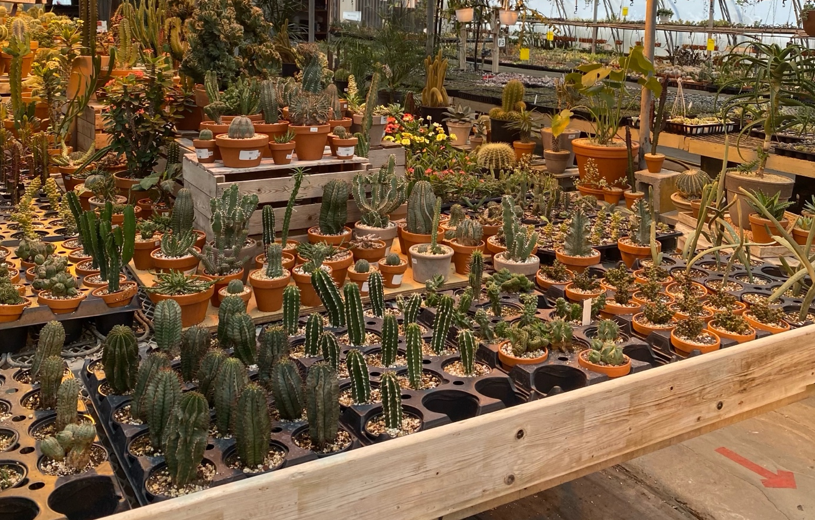
Photo by Léanne Vincendon.
This Plain Language Summary is published in advance of the paper discussed. Please check back soon for a link to the full paper.
Succulent plants can store water in their leaves, stems, or roots, allowing them to survive in dry places. In recent years, they have become popular with plant lovers. However, behind this trend lies a lesser-known issue: people buy and sell some succulents illegally. This can harm the environment and threaten biodiversity.
This study is based on interviews with individuals who had bought at least one succulent illegally online. We wanted to understand why they did so by asking them what motivated them, what they knew about the laws and environmental issues, how they viewed buying illegal plants online, and how they felt about their choices. People who buy succulents value them both for their beauty and for the care they provide to the plants. However, this care is mainly focused on the plants themselves, not on the ecosystems the plants come from. Moreover, even though consumers feel attached to their plants, they sometimes engage in behaviours that can harm nature, such as purchasing these plants illegally. Enjoyment of owning the plant and by saving money motivate consumer behaviour, and online markets, which are easy to access and poorly regulated, make the behaviours easier. Lack of knowledge about laws and by unequal access to information between sellers and buyers also reinforce consumer behaviour. In addition, the online setting appears to increase people’s sense of disconnection from nature. To explain their behaviours, consumers use different justifications. For example, they may criticize authorities and regulations, shift responsibility onto others, downplay environmental harm, or fail to see nature as a real victim.
Our results show that the illegal online trade of succulents is a growing problem that receives little public attention. However, it is possible to implement several actions, such as offering legal, sustainable options to meet the demand, improving surveillance of online sales, and raising awareness through education campaigns about the environmental and legal consequences of this trade. If people are better informed, they may be less likely to participate in a harmful market, especially if they care about plants and nature in the first place.
 Relational Thinking