By Ella-Kari Muhl, Derek Armitage, Prateep Kumar Nayak, Sisir Pradhan, Maha Abdelbaset, Denis Aheto, Richard Adade, Shehu Latunji Akintola, Evans Kwasi Arizi, Essinam Attipoe, Jessica Blythe, Alida Bundy, Ratana Chuenpagdee, Anuradha Choudry, Basanta Kumar Das, Chitra Devi, Kafayat Fakoya, Mafaniso Hara, Shahriyer Hossain, Moeniba Isaacs, Gazi Md Nurul Islam, Mohammad Mahmudal Islam, Hapsari Ayu Kusumawardhani, Kungwan Junrashote, Yinji Li, Moffat Manase, Ahmadou Aly Mbaye, Ishmael Kosamu, Jenia Mukherjee, Tamano Namikawa, Friday Njaya, Justice Odoi, Deborah Prado, Emon Rahman, Qurban Rouhani, Md Razin Saleh Alam, Aliou Sall, Clément Sambou, Revarunan Sammogam, Alassane Sarr, Khady Yama Sarr, Suvaluck Satumanatpan, Samiya Ahmed Selim, Indah Susilowati, Vannessa Warren, Julius Francis Woiso, and Batuli Mohammed Yahya
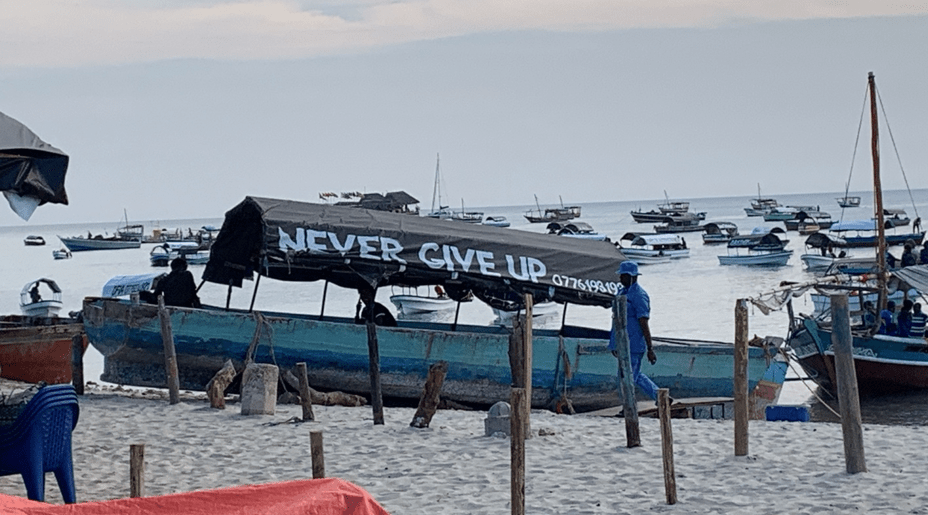
Photo credit: Dr. Ella-Kari Muhl
This Plain Language Summary is published in advance of the paper discussed. Please check back soon for a link to the full paper.
Small-scale fisheries support millions of people, especially in coastal and inland communities across Africa and Asia. However, small-scale fisheries are very vulnerable and face serious pressures, like poverty, weak decision-making systems, environmental change, and growing competition from large-scale industries linked to the “blue economy”.
Our paper examines pathways that can help to ensure small-scale fisheries are more viable and able to support people’s lives over the long term. We understand viability as more than just economics. Viability also includes social relationships, culture, fairness, healthy ecosystems, and the ability of people to influence decisions that affect them. We also show that moving from vulnerability to viability is not a straight line. Power, politics, history, and local context shape the transition and fisheries governance deeply influences it as well.
We identify five key pathways to viability: (1) strengthening partnerships and governance networks; (2) ensuring and sustaining fishing rights and access; (3) recognising gender and social differences; (4) supporting diverse and environmentally sensitive livelihoods; and (5) creating knowledge together with fishing communities, rather than for them. Building viable small-scale fisheries requires more than technical fixes. It requires justice, inclusive governance, and long-term collaboration. Our work helps to set a future research agenda and supports countries working to put international small-scale fisheries commitments into practice, while reminding us that meaningful change is complex, political, and deeply human.
 Relational Thinking