By Jerry Owusu Afriyie and Pavla Hejcmanová
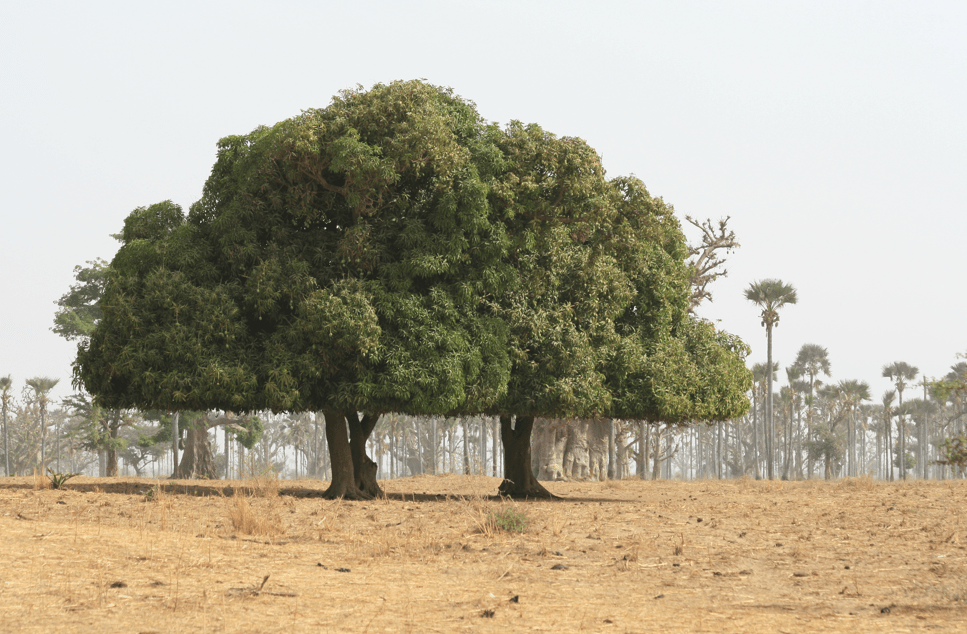
People often see protected areas as places set aside for wildlife. However, for many people in West Africa, protected areas are also part of everyday life, supporting livelihoods, shaping culture, and fostering a sense of home. We wanted to understand how communities living near protected areas value the benefits nature provides and whether these views differ across Ghana’s main landscapes: savannah, forest–savannah transition, and rainforest.
We interviewed more than 2,200 people across 51 communities near seven protected areas in Ghana. Rather than using scientific terminology, we asked about practical benefits, including food, water, cultural importance, and environmental protection. Across all regions, people most valued the role of protected areas in maintaining wildlife, plants, and overall ecosystem health. People also widely recognized cultural values, particularly emotional attachment to place, local heritage, and opportunities for learning. In contrast, direct material benefits such as food, fuelwood, or building materials were often rated as less important, particularly in savannah areas. Many people explained that this was because access to resources was restricted or because resources had declined over time. Communities near rainforest protected areas tended to value nature’s benefits more than those near savannah parks. Education level and local environmental conditions strongly influenced perceptions, while age, gender, and livelihood activities also played a role.
Our findings show that what ecosystems can provide and also access rules, environmental change, culture, and local circumstances all shape people’s views of protected areas in West Africa. This means conservation policies need to reflect local realities rather than applying the same approach everywhere.
Understanding how communities value nature is essential for designing protected area management that is both socially acceptable and effective. By recognising local perspectives, conservation efforts in West Africa, and elsewhere, can better support biodiversity and human well-being.
 Relational Thinking