In celebration of the shortlisted papers for the Rachel Carson Prize 2025 for Early Career Researchers, we’re delighted to introduce you to some of our shortlisted individuals and papers.
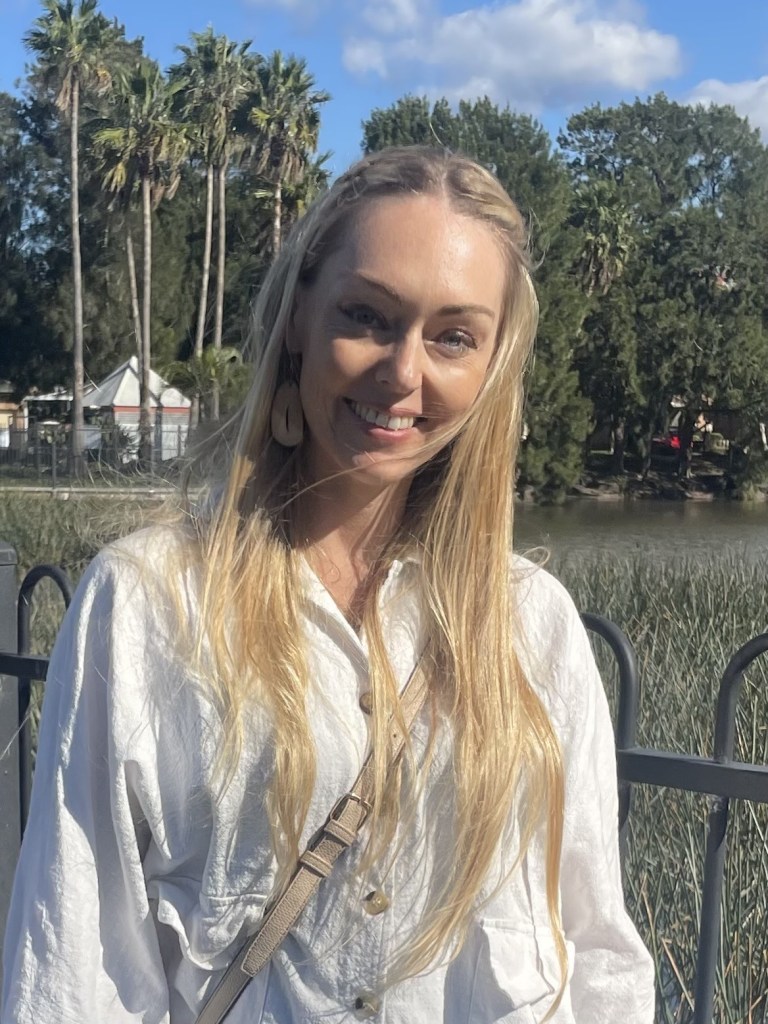
Crystal Arnold (She/her)
Read Crystal’s shortlisted paper: ‘How can we re-envision care for weeds? Indigenous weed management on the Shoalhaven River‘.
My research paper explores how we might re-envision care in weed management by centring Indigenous knowledge and moving beyond conventional frameworks that cast weeds solely as ecological liabilities. Focusing on the Shoalhaven River, NSW, Australia, I sought to define an ethic of gentle care one that aligns with the natural rhythms of Country and recognises the inherent agency of all plants. For Aboriginal and Torres Strait Islander people Country is the plants, bees, stars, wind, Spirit, Ancestors and all beings, which exist in a reciprocal relationship of kinship and mutual care with the people who belong to it. In upholding my responsibility to care for Country, I was surprised to learn that gentleness is not always soft; it sometimes requires a firm, assertive presence to be truly life-giving and protective of the landscape. This journey was not without its hurdles, as I faced the significant challenge of navigating the friction between rigid academic timelines and Country’s own seasonal timings. Ultimately, overcoming these tensions was essential to ensuring the research remained a reciprocal responsibility to the land and people, rather than an extractive process.
The next step in this field is to deepen my understanding of the specific role weeds have, particularly in relation to our native bees. I am currently seeking funding to explore how pollinators utilise non-native plants so we can better understand how to heal Country in a changing climate. I am especially interested in the aftermath of the 2019/2020 Black Summer bushfires; in many incinerated landscapes, native bees may have had only resilient weeds to rely on for their very survival. While I am not yet sure what the specific findings will be, I hope this research will encourage us to manage weeds more in relationship with other beings, moving from a policy of control to one of relational repair that respects Country.
I first became involved in ecology through my PhD journey, but the seeds were sown much earlier. As a Gundungurra woman, I was drawn to the field by my inherent responsibility to listen to plants. Learning from plants, who are the first people and our teachers (meaning that plants came before people and they can teach us if we listen), transformed my perspective, shifting my path from seeing weeds as separate to us and experiencing them as kin. Having finished my PhD in 2024 at the University of Wollongong, I am continuing this work by listening to how bees are now entering the relationship between me and weeds. My advice to anyone in this field is to not isolate your focus on one species; instead, sense and feel the whole Country that is a communication between, and a part of, everything you are and study.
Read Crystal’s shortlisted paper: ‘How can we re-envision care for weeds? Indigenous weed management on the Shoalhaven River‘.
 Relational Thinking