In this new blog post Chiara Bragagnolo, a post-doc at the Federal University of Bahia (UFBA) and People and Nature Associate Editor, discusses their highlights of the Research Article ‘Electrified rhythms: How hydropower infrastructure transforms hydrosocial relations of riverine communities in the Lower Sogamoso River, Colombia‘.
By Chiara Bragagnolo
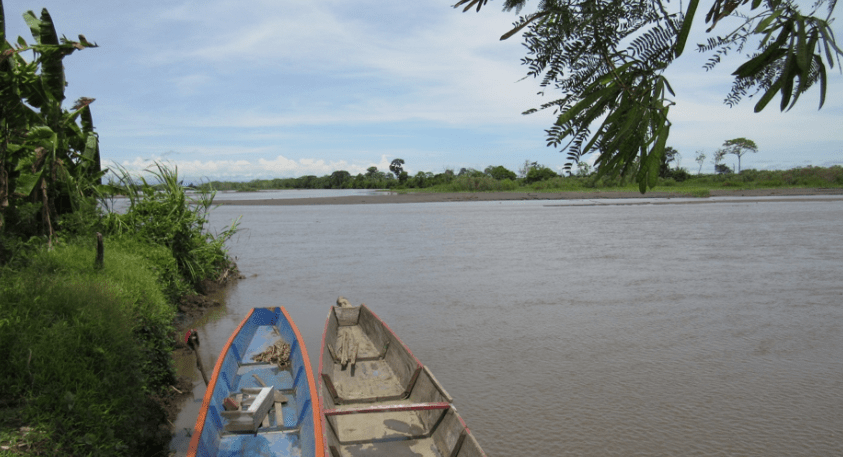
Can you imagine a robust and collaborative socio-ecological study that tackles both social and environmental challenges head-on? This is exactly what readers will find in the paper by Laura Betancur-Alarcón and colleagues, “Electrified Rhythms: How Hydropower Infrastructure Transforms Hydrosocial Relations of Riverine Communities in the Lower Sogamoso River, Colombia.” Blending ethnographic research, hydrological analysis, and energy-related metrics, they explore how riverine communities (los ribereños) connect with their “waterscape” in Colombia’s Lower Sogamoso River.
The study context is particularly compelling. For generations, the traditional “rhythm of life” of rural communities living along the river has been closely intertwined with the natural fluctuations of water levels and seasonal cycles. Artisanal fishing, riverbed mining, and other subsistence practices have long depended on the predictable rise and fall of the river. But what happens to these rhythms and to ribereño livelihoods after the commissioning of the Hidrosogamoso Dam in 2014?
Drawing on a hydrosocial relational approach inspired by the concept of river “rhythmicity” and insights from political ecology, the interdisciplinary team seeks to answer this question.
Their findings interweave rich ethnographic accounts (photos and narratives) with long-term hydrological, market, and electricity data. This approach reveals how ribereños experience river fluctuations, especially “dry events” where falling water levels disrupt livelihoods. At the same time, the study highlights how livelihood cycles intersect with a complex set of drivers, including seasonal water flows, market dynamics, and weather events (e.g.: el Niño).
According to the authors, the concept of “rhythmicity provides” a powerful lens to understand change because it captures how multiple temporal processes interact across scales. Streamflow variations, rainfall regimes, fish migration patterns, seasonal labour cycles, price fluctuations, and electricity production schedules all shape the river’s rhythms and the lives of those who depend on it. At the same time, the authors caution against a one-size-fits-all application: analyses must stay grounded in the specific experiences and contexts of local communities.
Ultimately, the paper invites readers to reflect on the complexity of human-river relationships steering clear of romanticism, while keeping policy implications firmly in view. As the authors show, dam-induced changes have imposed rapid fluctuations driven by electricity schedules and corporate strategies, replacing the gradual rising and falling patterns that once sustained seasonal subsistence practices and forcing local livelihoods to adapt. Understanding these new “electrified rhythms”, the authors argue, requires looking beyond the riverbanks to the infrastructures, digital systems, and political-economic dynamics that now shape the pulse of the river and the futures of riverine communities in the Lower Sogamoso and far beyond.
 Relational Thinking