By Quentin Dutertre, Mathieu Lachaise, Blanche Collard, and Emmanuelle Baudry
Read the French translation here
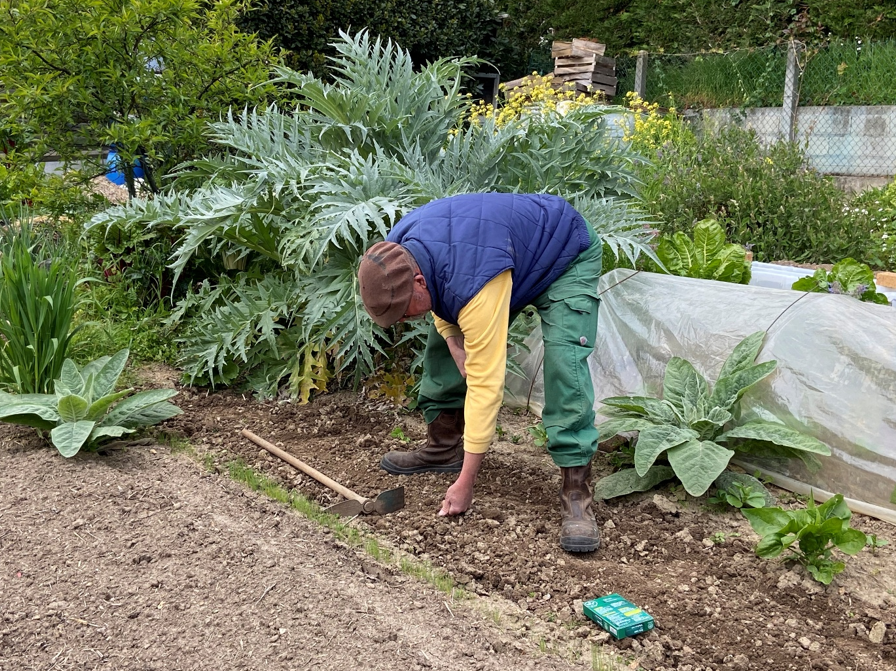
The emotions we feel toward wild animals influence how we protect them. In the context of biodiversity decline, it is therefore essential to understand how these emotions develop. We focused on gardening, an activity known to foster positive emotions toward species, and sought to determine whether its influence depends on the roles animals play in the garden.
To do this, we surveyed 1,000 people representatives of the French population. We asked them about their interactions with nature, particularly their gardening practices in domestic gardens. We also showed them 53 photographs of different animal species, including vertebrates and invertebrates, some beneficial to vegetable gardens and others potentially problematic. For each photo, participants reported their level of compassion, fear, disgust, and aesthetic appreciation toward the species shown.
Our results show that living in a house with a garden is associated with more positive and fewer negative emotions toward wild animals, likely because it provides more frequent opportunities to interact with nature. Gardening is one of these interactions, but its effects vary depending on the species. Among people engaged in vegetable gardening, greater involvement is linked to more favorable emotions toward insects that regulate crop pests. However, we do not observe similar changes for other beneficial species (pollinators and soil organic matter decomposers), nor for the pests themselves.
In the context of increasing urbanization and declining contact with nature, our results suggest two directions for future research. First, domestic gardens appear to be particularly promising places for strengthening positive emotions toward wild animals, which calls for a better understanding of which activities are responsible. Second, while gardening may be one of these activities, these emotional changes seem to be linked to a better understanding of the ecological functions of certain species in vegetable gardens, an idea that still needs to be tested more explicitly.
 Relational Thinking