By C.X. Garzon-Lopez, L.M. Bellis, C. Castillo, T. Nadim, D. Rocchini, K. Van Meerbeek, H. Stokland, E. Turnhout, M. Gold, and A. Beaulieu
Read the Spanish translation here
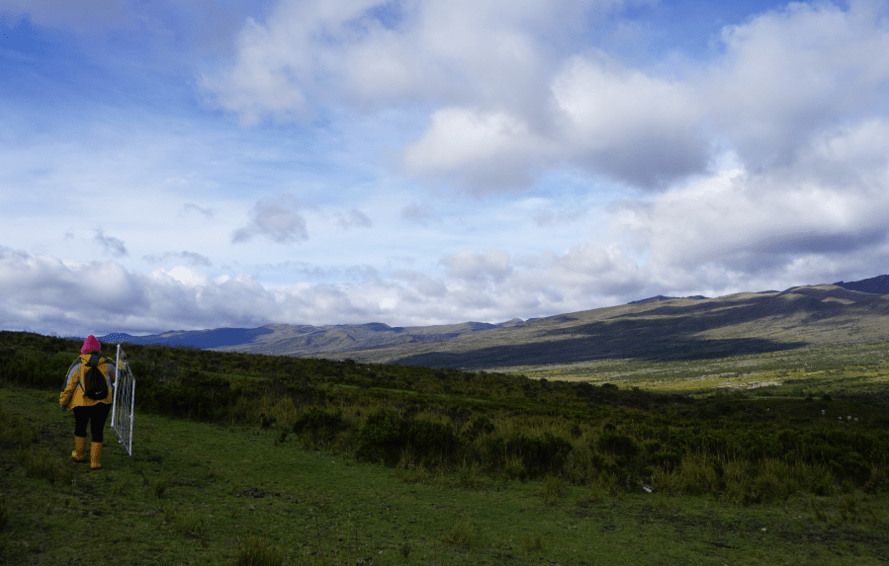
Despite advances in biodiversity agreements and monitoring, the world is facing a dramatic loss of biodiversity, a 73% decline in wildlife populations over the past 50 years, ultimately endangering the future of life on Earth. Besides the biodiversity crisis, we also face climate change and the loss of cultural diversity. Biodiversity monitoring guides policy-making, financial decisions, and conservation actions that shape the future of both people and nature. However, the current global approach to monitoring hampers these processes by failing to take regional and local knowledge and values into account. In this article, we tackle the role of environmental sciences in reinforcing inequalities in the ways of knowing, organizing, and doing, by creating narratives about global patterns of biodiversity, organizing biodiversity within a dominant classification system, and structuring the foundations of what counts as knowledge and who produces it.
We suggest six strategies to address these issues and harness the potential of transformative change to bridge the gap between global agreements and local actions. Transformative change calls for a system-wide shift in views, structures, and practices. In our strategies, we propose a change in views by opening space for transformative change through the exploration of shared values and by expanding the possible understandings of biodiversity using relations as the unit of analysis to track the state and changes in biodiversity across plural visions of nature, space, and time. To shift practices, we propose using citizen science to create and circulate knowledge, including adopting plural approaches to our understanding of space and time. Finally, to change structures, we propose transformative biodiversity governance that seeks to place justice at the center by integrating local efforts across scales, as well as improvements to knowledge infrastructures that allow questioning of whose nature? whose rights? which indicators? and explores who should be involved in biodiversity monitoring, including institutions, stakeholders, and technologies.
 Relational Thinking