By Erica Cseko Nolasco, Brooke A Williams, Angela M. Guerrero, Anazelia M. Tedesco, Nanda Kaji Budhathoki, Kerrie A. Wilson, and Ayesha Tulloch
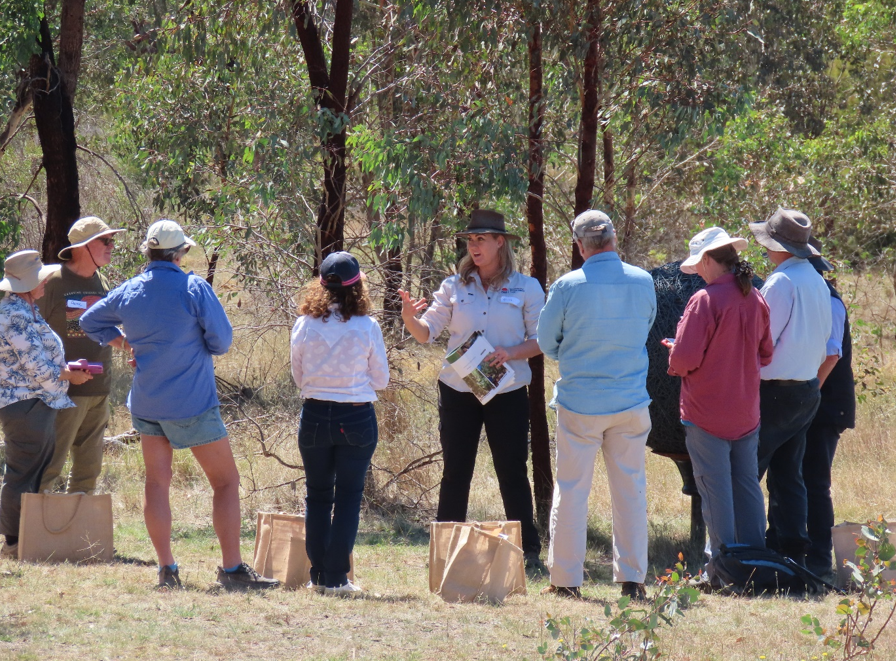
Although conservation on private land can contribute to both nature and people, it can also lead to negative results when managers implement poorly designed conservation initiatives that do not consider community or landholders knowledge, livelihoods, and personal well-being. And yet, most conservation outcome evaluations assess environmental and social outcomes separately, and outcomes vary across diverse sociocultural contexts. Consequently, managers and researchers rarely attempt explicit integration of multiple people and nature outcomes into initiative design and evaluations.
We reviewed more than 2000 documents and summarised global evidence on joint nature and well-being outcomes of 56 initiatives. We searched for desirable and undesirable outcomes and the influence of social, environmental, and economic contexts on them. Joint outcomes were reported for two-thirds of the initiatives and were more likely for voluntary and sustainable land-use initiatives. Our findings suggest that knowledge, a fair share of benefits and personal well-being support nature and wildlife by promoting better economic conditions and empowerment.
Unfavourable outcomes occur primarily at a cost to people’s well-being rather than nature and often impact safety, social justice, and interpersonal networks. These outcomes occur more frequently in southern regions of the world with high wealth inequality and restricted community access to resources, affecting people’s sense of community connection. Poor stakeholder engagement and initiative design/processes were the main reasons for unfavourable well-being outcomes.
To reduce the chances of unfavourable outcomes, the design and evaluation of the initiative should be based on robust social and environmental information to account for possible socioeconomic and cultural factors that could compromise the effectiveness of initiatives. The policy and processes of the initiative should be inclusive and participatory to create trust and social cohesion between initiative actors, thus increasing the likelihood of joint positive outcomes for nature and people.
 Relational Thinking